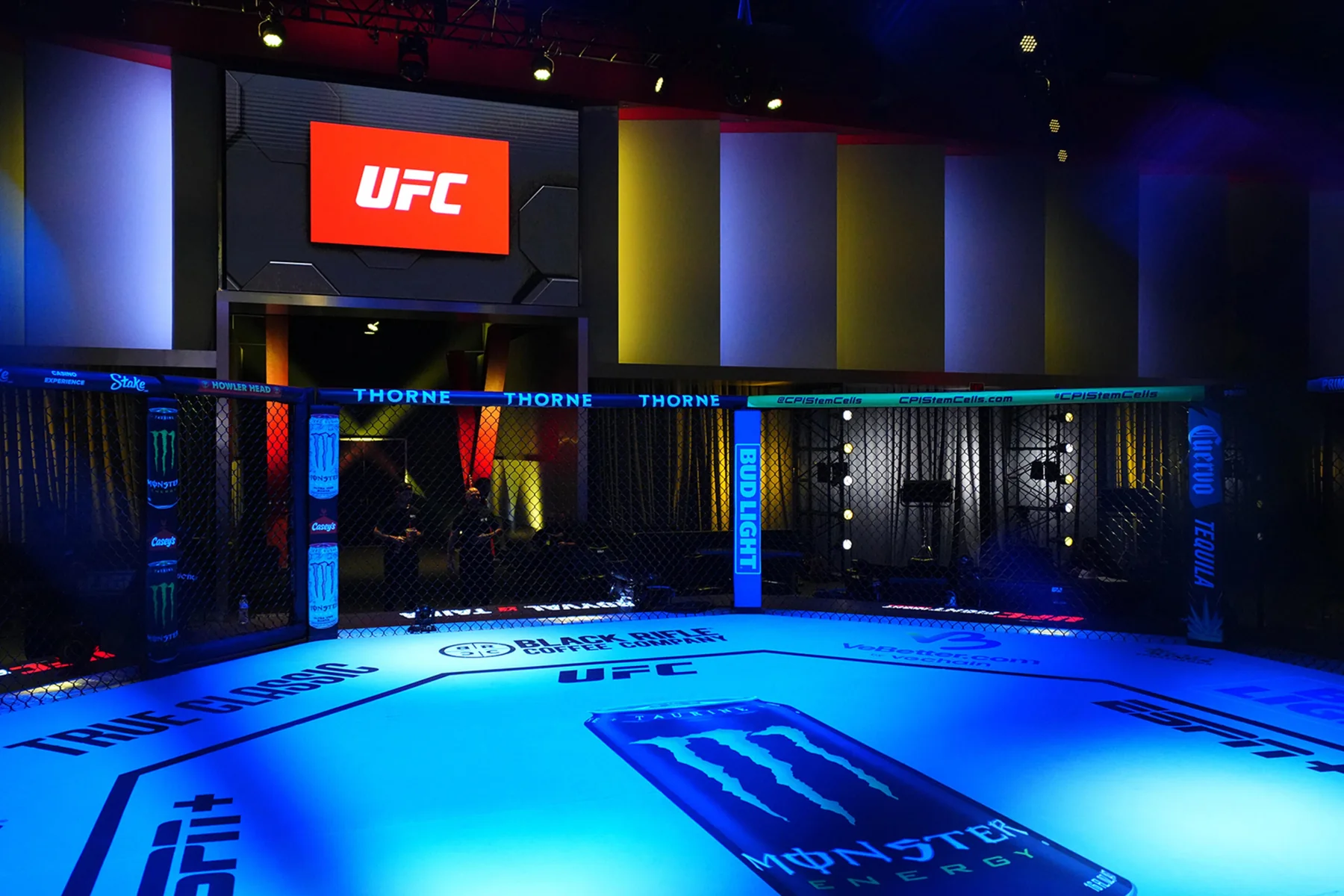
UFC Fight Night is where the weekly rhythm of the promotion lives: contenders take five-round risks, prospects meet their first real test, and a card in Abu Dhabi, Paris or Las Vegas can begin at a completely different hour from the previous Saturday. The name is simple; following it well takes more than searching “UFC tonight.”
This fan guide explains what Fight Night means, how prelims and the main card fit together, where to confirm the latest bout order, and how to watch or follow results without relying on an outdated time or platform listing.
What is UFC Fight Night?
UFC Fight Night is a full UFC event built around a featured main event rather than a numbered-event title such as UFC 330. The athletes are on the UFC roster, the results count on their UFC records, and the card usually has prelims followed by a main card. It is not a regional feeder show and it is not the same thing as another promotion merely streaming on UFC Fight Pass.
What the name tells you
Expect a headliner-led UFC card without a sequential UFC number. The event may also be promoted by its city or by the surnames of the two main-event fighters.
What the name does not tell you
It does not reveal the venue, start time, number of bouts, local broadcaster or importance of the matchups. Those details belong to the live event page.
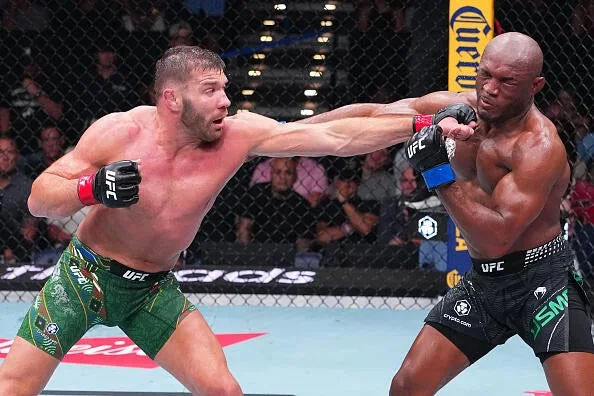
The standard Fight Night pattern is a five-round non-title main event with most other bouts scheduled for three rounds, but UFC can approve exceptions. UFC Edmonton in 2024, for example, also featured a historic five-round non-title co-main event. Some Fight Nights stay at the UFC APEX; others fill arenas in places such as Paris, Abu Dhabi, London or Mexico City and lean into regional talent.
For an experienced fan, the draw is often stakes rather than a belt: a ranked headliner can settle the next title challenger, a veteran may defend a ranking against a prospect, and an undercard fighter can announce a real breakthrough. Check the current UFC weekend card before judging the event by its label.
UFC Fight Night vs a numbered UFC event
The durable difference is packaging: Fight Nights are the more frequent, headliner-named events, while sequentially numbered cards are UFC's marquee dates and more often concentrate championship fights and major stars. “Fight Night equals free, numbered UFC equals pay-per-view” is no longer a safe universal rule. Distribution changed in 2026 and still differs by country.
| Fan question | UFC Fight Night | Numbered UFC event |
|---|---|---|
| How is it named? | Usually by headliners, city or both. | Sequential number plus headliners, such as UFC 330. |
| How often? | The frequent week-to-week series. | A smaller slate of marquee dates. |
| What fights should I expect? | Contender tests, regional talent, prospects and veteran pivots. | More title fights and established names on average, not by guarantee. |
| Is it official UFC? | Yes—full UFC roster competition. | Yes—same promotion and rules framework. |
The 2026 US viewing change matters
Starting in 2026, Paramount's US agreement put both UFC Fight Nights and numbered events on Paramount+ and moved the US away from the old standalone PPV model; selected numbered cards can also appear on CBS. That does not make the distribution identical everywhere. Australia's official 2026 guidance, for example, keeps numbered main cards on PPV while placing Fight Nights on Paramount+. Always check the listing for your country and that specific card.
Sporting importance also resists a neat label. UFC 330 featured two title fights, but a Fight Night between top-five contenders may decide who challenges one of those champions next. Use the complete UFC schedule to compare the actual headliner, rankings and card—not just whether the event has a number.
How does a UFC Fight Night card work?
A UFC Fight Night normally moves from prelims into a main card, ending with the co-main event and five-round headliner. Some events also list early prelims; others use only two broadcast segments. Read the labels on that event's current page instead of assuming every Saturday follows the same template.
Early prelims, when listed
The opening segment. It may use a different platform or appear only on selected cards, so confirm it separately.
Prelims
The first regular broadcast block. Do not mistake “preliminary” for unimportant: ranked athletes, dangerous prospects and potential bonus fights can sit here.
Main card
The featured block, finishing with the co-main and main event. The headliner is typically scheduled for five rounds; most other non-title bouts are three.
Friday's weigh-in is the real late card check
UFC publishes official weights the day before competition. A miss does not produce one automatic outcome: the fighter may forfeit part of a purse and continue, the athletes may agree to a catchweight, or regulators may cancel the bout. UFC London in March 2026 lost a bantamweight fight after an eight-pound miss, while UFC Oklahoma City in July listed purse forfeitures for misses on bouts that remained on the page. Look for the note beside the fighter, not just a colored weight number.
Card order can also shift after an injury or cancellation. The segment start time tells you when coverage begins; it cannot promise a fighter's walkout minute. A run of first-round finishes can pull the show forward, while three decisions can slow it down. If one matchup is essential, tune in before the bout above it begins and keep the live card open. Think of the published order as a sequence under active management, not a train timetable.
When is the next UFC Fight Night in your local time?
Find the next Fight Night by confirming three things together: the event name, the card segment and your local time zone. The large time in a search result is often the main card, not the first fight. An international event can also fall on Sunday where you live even while UFC promotes it as Saturday in the host city.
Identify the card
Match the headliners, venue and date. This prevents an old result page from masquerading as tonight's event.
Choose your segment
Use the prelim time to watch the whole card or the main-card time for the featured block.
Confirm local day
Let the event timestamp convert automatically, then verify whether your calendar says Saturday or Sunday.
The 2026 schedule shows why guessing fails. UFC Oklahoma City began its prelims at 5 p.m. ET and main card at 8 p.m. ET. UFC Abu Dhabi advertised 9 a.m. ET prelims and a noon ET main card. UFC Macau started even earlier for US viewers, with 4 a.m. ET prelims and a 7 a.m. ET main card. None of those cards fits one reusable “Fight Night starts at…” answer.
Use two reminders, not one
Open UFC Tonight for the local yes-or-no answer, then confirm both segment times on the UFC TV schedule. Set one reminder before prelim coverage and a second before the main card. Recheck on Friday after weigh-ins and again on fight day; a canceled bout can shorten the runway, and a platform or schedule note can change after the first announcement.
How to watch UFC Fight Night legally
The legal UFC Fight Night stream is determined by your country and the card segment. In the United States in 2026, Fight Nights stream on Paramount+. Australia also places Fight Night main cards and prelims on Paramount+ in 2026. Those examples do not create a worldwide rule, and UFC Fight Pass is not a universal substitute for every live main card.
Use this country-first viewing check
- 1. Open the exact event—not a generic UFC channel guide from last season.
- 2. Set or confirm your country, then read the listed provider for early prelims, prelims and main card separately.
- 3. Check whether the service is included in your plan, requires an add-on, or sells that segment separately.
- 4. Sign in on the device you will use and play any available video before coverage begins.
Is UFC Fight Pass enough?
Sometimes for a listed segment, but never by assumption. UFC's own Fight Pass FAQ says availability varies with regional broadcast restrictions. In Australia, the official 2026 guide puts early prelims on both Paramount+ and Fight Pass while the rest of a Fight Night sits on Paramount+. Another country may give Fight Pass a different live or delayed role. Read the platform icon next to each segment and distinguish live coverage from a replay library.
Use the country-specific where-to-watch UFC guide as your starting point, then confirm the provider on fight day. If a broadcaster app shows the main card but not prelims, return to the UFC listing rather than searching for an unauthorized feed. Updating the app, confirming the subscription tier and testing casting before the opener is far easier than troubleshooting while Bruce Buffer is already in the Octagon.
Follow UFC Fight Night live results, scorecards and highlights
Follow a Fight Night in layers: use the live card for bout status, wait for the official result, open the judges' cards for a decision, then watch authorized highlights or the replay for context. A social post can tell you somebody won; it may omit the method, exact time, score totals or late correction that makes the result useful.
Keep Live UFC open for the current bout, on-deck matchup and card progression. Treat an in-progress estimate as live context, not a final result.
Record winner, method, round and official time. For a decision, add unanimous, split or majority plus the announced score totals.
Use the verified UFC results page, then open official scorecards for any decision you want to judge round by round.
Check the updated rankings instead of declaring an exact new position at the final horn.

How to decide which Fight Night result mattered
Ask three questions. First, whom did the winner beat—a top contender, an established gatekeeper or a fellow prospect? Second, how did the performance travel: dominant finish, clear decision, competitive split, short-notice survival? Third, what does the division need next? A No. 8 beating No. 3 in a thin title queue carries different weight from an exciting unranked win in a crowded division.
UFC changed its ranking process in June 2026 to a data-driven Meta UFC Rankings model scheduled to update after each event by Monday. UFC says opponent quality, win type, trajectory, recency and inactivity affect the calculation, so not every victory should produce the same jump. That makes the post-Fight Night routine simple: verify the result, inspect the scorecards, watch the legal highlight or replay, then compare the Monday ranking. You will understand the card better than someone who watched only the headliner clip and immediately shouted “title shot.”
If you are watching on delay, choose your source before opening social media. Go straight to the broadcaster's replay and avoid pages that expose winners in thumbnails. When you are ready for spoilers, use the official result as the index: it tells you which close decisions deserve scorecard review and which finishes are worth finding in the authorized highlight package. This keeps a ten-second clip from replacing the story of an entire card.
Fight talk
Comments