There is no honest single answer to “How much are UFC tickets?” A Fight Night in a modest-demand market, a numbered title card in a major arena, and a hospitality package are different products. The useful number is the all-in cost of the exact seat and ticket type you are considering—not a marketplace's headline average.
This guide uses dated 2026 examples to show the scale of the market, then gives you a repeatable way to compare seats, fees and timing for any card. For event dates and official purchase routes, pair it with the UFC tickets 2026 buying guide.
How much do UFC tickets cost in 2026?
UFC ticket prices in 2026 can run from a few hundred dollars just to enter some cards to several thousand dollars for premium floor or hospitality packages, but that is scale—not a dependable price range for your event. The only quote that matters is the live all-in total for a labeled seat on the official event path. Anything else needs a date, ticket type and source beside it.
- 2026 market snapshot
- $309
- UFC 330 VIP example
- $1,200+
- UFC 330 floor VIP
- $3,600+
Average low asking price reported by one third-party tracker when checked; volatile and not face value.
Official upper-level ticket-and-hospitality package starting price.
Official package starting price with floor seating and added experiences.
Those figures should not be averaged together. The $309 figure was a third-party “get-in” snapshot across available listings. The UFC 330 examples were official VIP packages that bundled a seat with benefits such as weigh-in access, hospitality or post-fight experiences. A standard upper-level ticket, a fan-resale listing and an upper-level VIP package may point to the same broad part of an arena while carrying completely different prices and rights.
Treat every number you see as a sentence with missing words: “$___, for this exact event, in this section, sold as this ticket type, at this moment, before or including these charges.” Fill in the blanks before deciding whether the deal is good. Start with the upcoming UFC event list, follow its official route, and compare like with like. A cheap resale listing after a main-event change does not prove the original on-sale was cheap; an expensive championship package does not prove every seat in the building costs four figures.
Why UFC ticket prices change so much
UFC ticket prices change because the supply is fixed inside one building while the appetite for that particular card keeps moving. The organizer's pricing, standard inventory, market-priced seats and fan resale listings can all change what you see. That is why two checks of the same section can produce different totals—and why a different UFC event in the same month can live in another price world.
Card stakes
Title fights, a historic return or a crossover-level headliner can pull more buyers than a routine card.
Local rarity
A city that rarely hosts UFC may concentrate years of pent-up demand into one on-sale.
Building supply
Capacity, production holds and section layout decide how many comparable seats actually exist.
Seat quality
Elevation, cage angle, row and walkout proximity can matter more than a generic level label.
Inventory type
Standard, market-priced, resale and VIP listings do not follow the same logic.
Fight-week news
A new matchup, withdrawal or late inventory release can change demand and the visible get-in price.
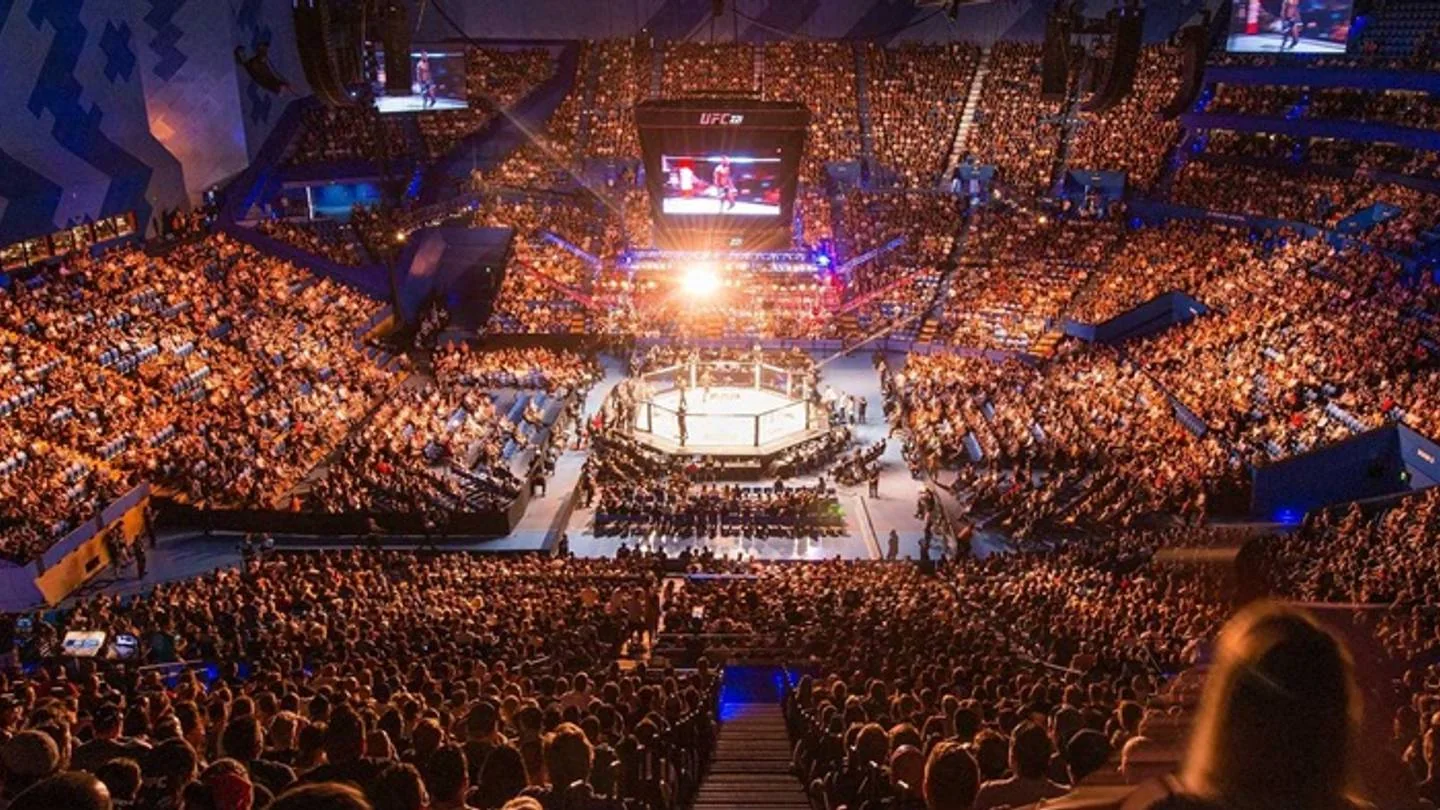
The demand ceiling can be enormous. UFC's official report for UFC 325 in Sydney said 18,102 fans sold out Qudos Bank Arena and generated an AUD $14.4 million gate. That does not tell us what any one fan paid, but it shows why a major destination card cannot be priced by copying last year's quiet Fight Night. At the other end, a card with slower sales may show more choices or new offers later.
Compare horizontally, not emotionally. Open three similar rows for the same event and calculate the all-in price per ticket. Then compare that result with another reachable card using the UFC events near me page. If you are flexible about which live card you attend, switching event markets is often a bigger lever than obsessing over a $20 movement in one seat.
Standard, premium, resale and VIP: read the label first
Read the ticket label before comparing the number. A standard ticket, a market-priced primary seat, a fan resale listing and an official UFC VIP package can appear around the same seat map, but you are not buying the same thing. The label tells you who set the asking price and whether anything beyond admission is included.
Standard admission
Primary inventory sold for the event organizer. It is the cleanest baseline when comparing nearby seats, though the organizer can use multiple price tiers or change availability.
Platinum or market-priced primary ticket
Still a primary ticket, but priced to reflect demand. Ticketmaster's current help states that its Platinum tickets do not include extra package benefits. A high price does not buy a meet-and-greet unless the listing says so.
Official resale
A ticket listed by a previous buyer through the platform's resale channel. The seller controls the asking price within applicable rules. Official resale can be valid and convenient, but the price can sit above or below nearby primary inventory.
UFC VIP package
A bundle whose value may include a premium seat, weigh-in access, hospitality, athlete appearances or an Octagon experience. Only the written package inclusions count; tiers vary by event.
The quickest value check is to open two or three adjacent options and read their detail cards. If one seat costs hundreds more, identify the reason in words: better row, standard versus resale, market-priced primary inventory, aisle location, or an actual experience package. If the only explanation is “popular ticket,” decide whether proximity is worth that premium to you.
This decoder also prevents a common post-purchase disappointment. Paying a premium label does not automatically produce backstage access, and buying a seat in a VIP-looking section does not transfer every hospitality benefit. For platform-specific colors, transfer and resale flows, use the dedicated Ticketmaster versus AXS UFC ticket guide once published.
Build an all-in UFC fight-night budget
Budget from the visible required ticket total, then add taxes, optional choices and the cost of getting through the whole night. In the United States, the FTC's live-event fee rule has required sellers to show known mandatory charges upfront since May 12, 2025. That makes comparison easier, but “all-in ticket price” still is not the same as “all-in UFC trip.”
Fight-night budget worksheet
Fill this once per person, then multiply shared and group costs carefully.
- Required ticket total
- Displayed seat price including mandatory seller fees where required.
- Tax/delivery
- Check the final cart; local tax or a selected delivery method may be separate.
- Travel
- Parking, transit, rideshare, fuel, flights and—if needed—a flexible hotel.
- Inside the venue
- Food, drinks and merchandise; set a ceiling before a five- or six-hour card.
- Risk buffer
- Only money you can leave unused; never stretch the ticket budget by assuming resale later.
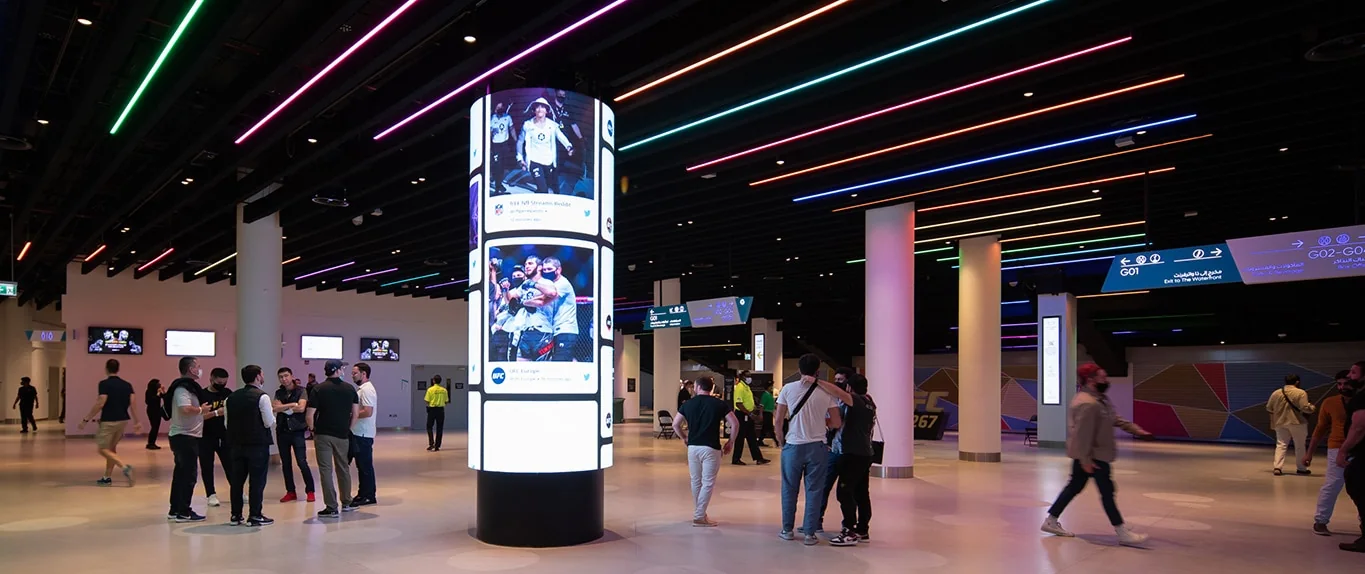
A simple test keeps the cart honest: if the ticket total rose 10 percent before you clicked Buy, would the full night still feel affordable? If not, choose another row or another event. Do not plan to recover the difference by reselling later; eligibility, demand and seller fees can work against you. For travel-heavy cards, compare the total trip—not just seats—against a closer option on the UFC events near me tool.
Which UFC seats give you the best value?
For many first-time buyers, the best-value UFC seat is elevated lower bowl at a price that does not wreck the rest of the night. Elevation can help you look into the Octagon during grappling exchanges, while the distance remains close enough to feel the crowd and impact. It is not a universal winner: arena geometry, row, cage posts and production positions can change the answer.
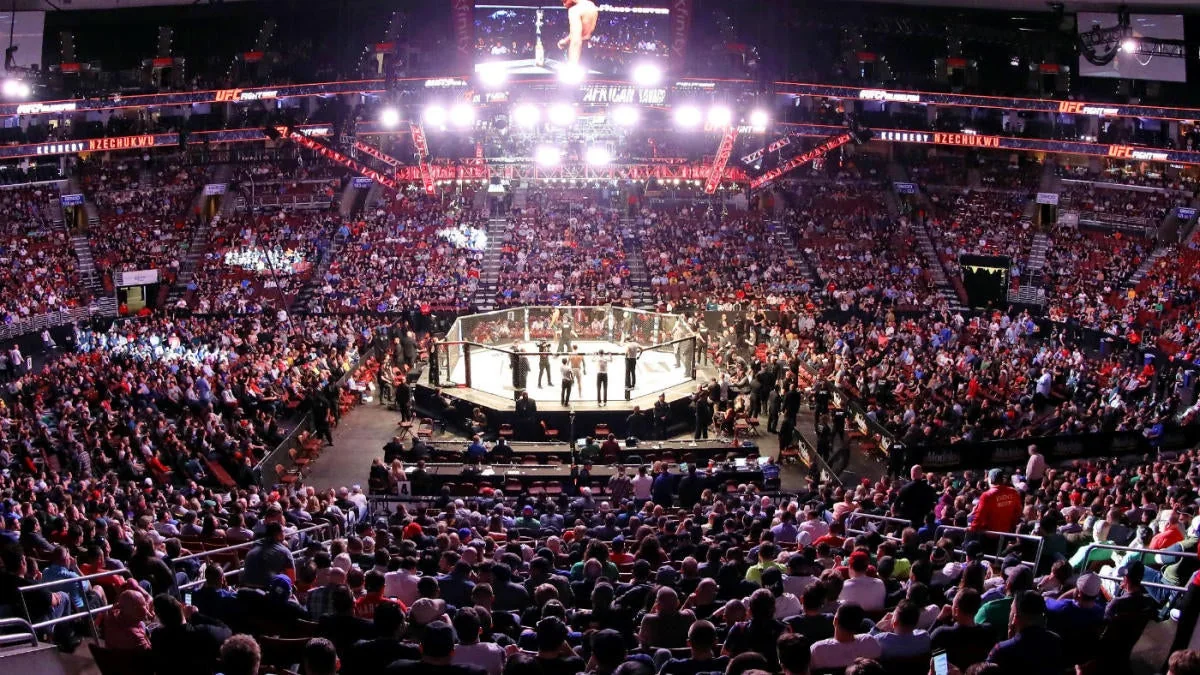
Floor: buy atmosphere
Pay the premium if closeness, walkouts and the feeling around the cage matter most. Farther-back flat rows can be poor upgrades if standing fans block your line.
Lower bowl: buy balance
Compare corner and side angles, then favor useful elevation. A slightly angled row can beat a costly flat-floor seat for actually following the fight.
Upper bowl: buy entry
Choose it for live energy on a hard budget. Check your view to the center screen, because detailed exchanges may be easier there than through the fence.
Use a marginal-value test. If moving down one level costs $250 more, name what improves: clearer angle, much closer row, aisle access, or an experience you genuinely want. “It says floor” is not enough. Also compare the front of a cheaper level with the back of the pricier one; a first-row upper section can offer a clean rail-free overview while a deep lower section adds cost without a dramatic viewing gain.
Finally, decide whether you are purchasing a view or a memory package. Official UFC VIP can be rational for a fan who values weigh-ins, hospitality or an Octagon photo. It is poor value if those extras go unused. Seat value is personal, but the method is objective: compare exact rows, check the event map, and spend on the part of live UFC you will actually notice.
How to find cheaper UFC tickets without gambling your trip
Waiting can produce a better UFC ticket, but it can also leave you with worse sections, separated seats or no sensible option. There is no guaranteed “cheap day.” Decide how much uncertainty you can absorb, then choose a buying window that matches your group and travel commitment instead of repeating someone else's last-minute win.
Buy early
Best for a must-see card, scarce accessible inventory, four-plus adjacent seats or nonrefundable travel. Your saving is certainty, not necessarily the lowest price.
Monitor
Best for most fans. Save two or three acceptable sections, check standard and official resale, and buy when the all-in total meets your written ceiling.
Wait late
Best for a local solo buyer who will happily watch at home if the deal never appears. Poor fit for a destination trip or fixed group block.
Use savings levers you control. Compare a front upper-bowl row with the back lower bowl. Check one seat instead of two if you are attending alone. Compare a nearby Fight Night with a destination numbered card. Filter standard and official resale separately. Revisit the authorized seller when production holds or fan listings change. Most importantly, define “cheap” as affordable all-in value, not the lowest number in the arena.
Do not finance a bargain with authenticity risk
A private message offering half-price screenshots is not the same as an official mobile transfer. Ticketmaster notes that resale prices and availability can change before order confirmation; AXS notes that official resale can remain active late for eligible events. Neither fact guarantees a drop, but both keep payment and ticket delivery inside a supportable system.
Your final trigger should be boring: event verified, acceptable view, total below ceiling, delivery understood, travel still workable. Then buy and stop refreshing the map. If the number never reaches your ceiling, switch to another card on the upcoming UFC schedule or watch live at home. Missing one expensive card is cheaper than turning fight night into months of regret.
Fight talk
Comments