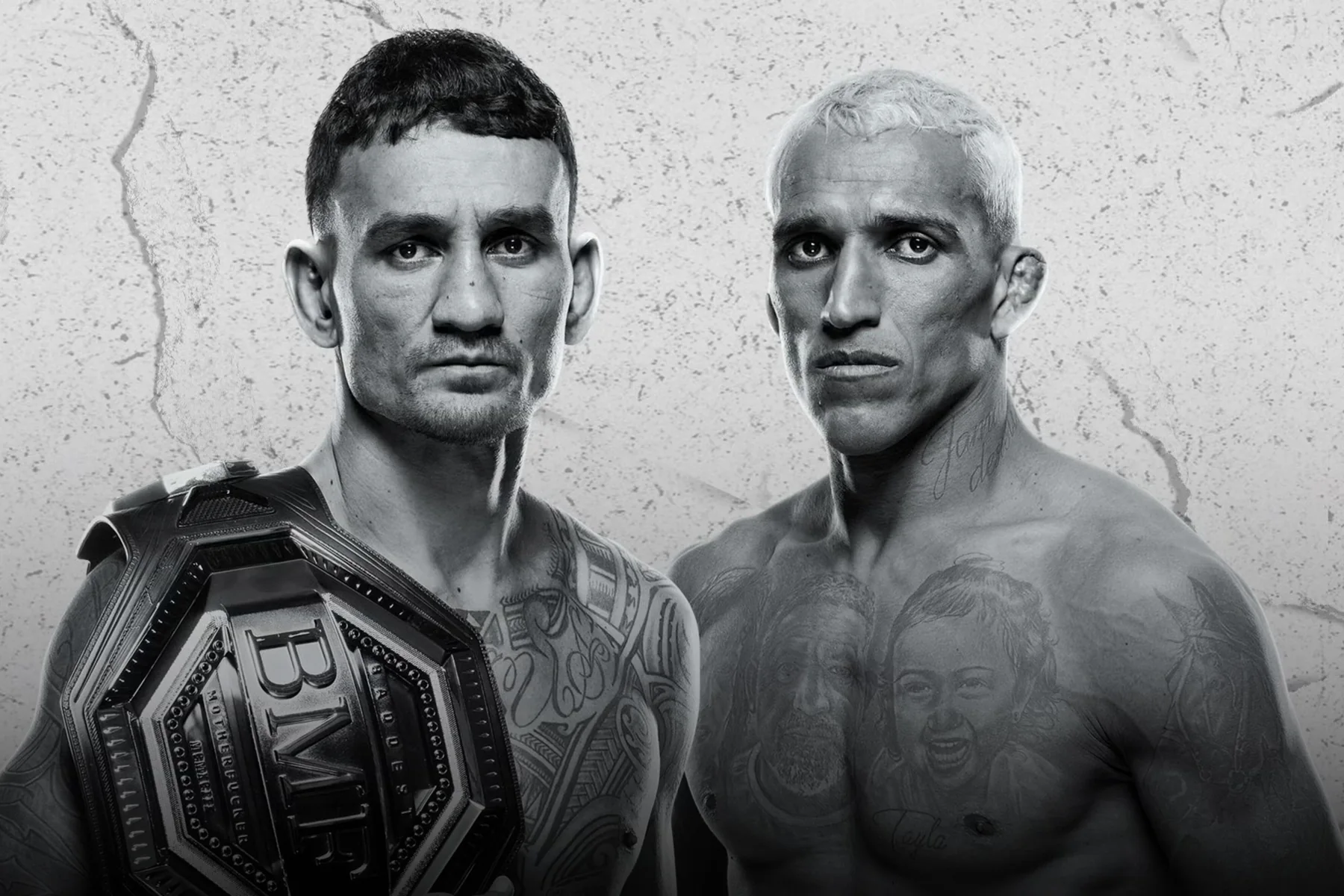
Charles Oliveira defeated Max Holloway by unanimous decision in the UFC 326 main event, winning 50-45 on all three judges' scorecards and taking the BMF title. The March 7, 2026 rematch at T-Mobile Arena lasted all five rounds, replacing the unresolved injury ending of their 2015 meeting with a clear result built on Oliveira's pressure and grappling control.
A stale rendering of the UFC event page briefly created confusion by placing the winner marker incorrectly. The dated UFC results report, UFC's official scorecards and the UFCStats fight/fighter records all agree: Oliveira won. This recap follows those completed records and explains why the decision was so wide.
UFC 326 results at a glance
- Main-event winner
- Charles Oliveira
- Official decision
- Unanimous, 50-45 x3
- Date and venue
- March 7, 2026 · T-Mobile Arena
- Title
- Oliveira won the BMF belt
The main event competed at lightweight, where Holloway entered with the symbolic BMF championship and Oliveira brought the deepest submission résumé in UFC history. The expectation of a violent scramble was reasonable; the shape of the result was more disciplined. Oliveira did not need a submission to make grappling decisive. He repeatedly put Holloway in defensive positions, attached offense to control and denied the long striking combinations that normally let “Blessed” build momentum.
The 50-45 totals mean every judge awarded every round to Oliveira. They do not mean each minute looked identical or that Holloway never landed. They mean the judges found Oliveira's effective work superior in five separate scoring periods. That is a much stronger statement than adding event totals after 25 minutes.
The UFC 326 event page is the compact bout archive; the UFC results page covers later cards. The analysis below focuses on how Oliveira won each phase and what the result changed.
How Oliveira turned the rematch into a grappling fight
Oliveira's pressure mattered because it reduced Holloway's time to layer punches. Holloway is most dangerous when he can read an opponent for several exchanges, vary targets and make volume grow across a round. Oliveira moved him toward the fence, where a retreat could become a body lock or takedown entry. Holloway then had to defend grips before returning to offense.
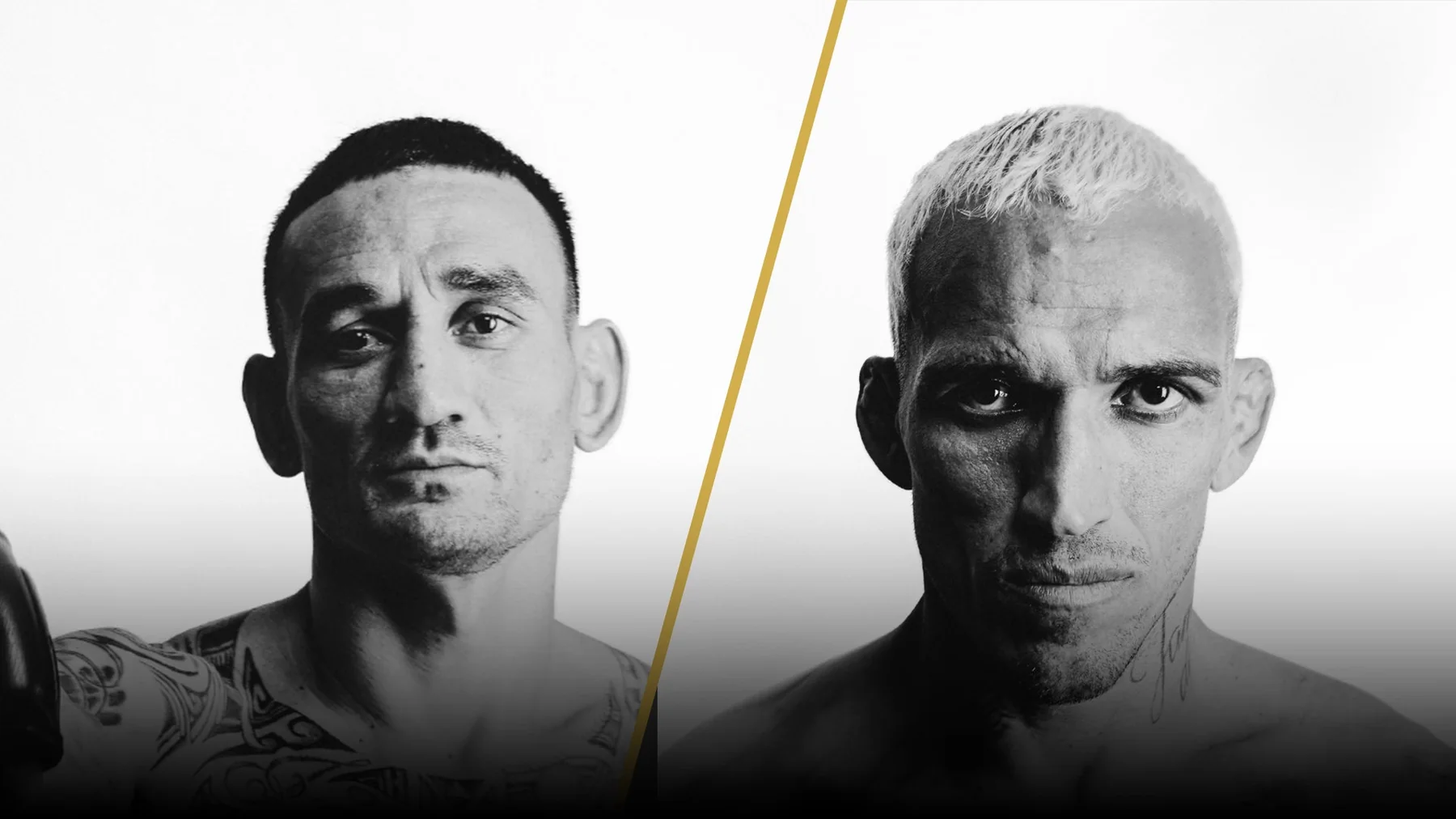
The crucial choice was patience. Oliveira owns the UFC's submission record, yet a reputation for finishing can become a trap if every dominant position is abandoned for the neck or arm. In this fight he accepted useful control, advanced when the opening was real and made Holloway carry the burden of standing. Each return to the feet cost energy and shortened the striking window.
Control time alone does not win a round under the Unified Rules. Effective striking and effective grappling come first. Oliveira's ground work qualified because it created positional advancement, offensive threat and strikes while Holloway remained mostly defensive. A takedown that produces no attack can be low value; a takedown that leads to back exposure, guard passing or damaging offense changes the scoring picture.
Holloway's defense prevented a submission and deserves credit. Surviving, however, is different from reversing the phase. He needed clean separations followed by enough offense to outweigh what had happened on the mat. Oliveira repeatedly denied that second part. The Brazilian could reset his pressure before Holloway established the long combinations that normally turn a close round.
That is why “Oliveira wrestled” is incomplete. He used forward striking to reach the clinch, grappling to interrupt volume and position to sustain offense. Fans can compare the careers on the Charles Oliveira profile and Max Holloway profile.
Why every judge scored all five rounds for Oliveira
Three identical 50-45 totals are unusually decisive evidence about round ownership. Each score says Oliveira won five 10-9 rounds. It does not say the judges believed Holloway was nearly finished in all five, because a 10-8 would have produced a different total. The scorecards describe sustained superiority without the extreme dominance required to take an extra point.
Under the Unified Rules, judges first evaluate effective striking and effective grappling. Effective aggression and control of the fighting area become meaningful only when the first criterion is even. That hierarchy prevents two common mistakes: awarding a round solely because one fighter moved forward, or awarding it solely because a clock recorded more top position.
Oliveira's grappling mattered because it was effective. His takedowns changed position, his control contained offensive threat, and his work made Holloway spend meaningful portions of every round escaping rather than scoring. At range, Oliveira's pressure also helped determine where the next exchange began. Holloway landed, defended and remained durable, but he did not create a round in which his effective offense clearly surpassed the Brazilian's connected work.
Final strike totals cannot overturn that logic. Suppose Holloway landed a burst late in one frame after Oliveira had already produced a takedown, positional advance and damaging ground sequence. The late burst matters, but judges compare impact and effectiveness inside that round. They do not bank surplus strikes from one period and carry them into another.
Because the scorecards do not include written explanations, no analyst can claim to know which exact exchange persuaded each judge. The responsible conclusion is narrower: three officials independently found Oliveira's effective work better in every round, and the completed fight record supports a performance built on repeatable positional advantages. The unanimity removes the idea of a controversial swing round even if individual moments remained competitive.
What changed from the first Holloway–Oliveira fight
The unresolved ending in Saskatoon
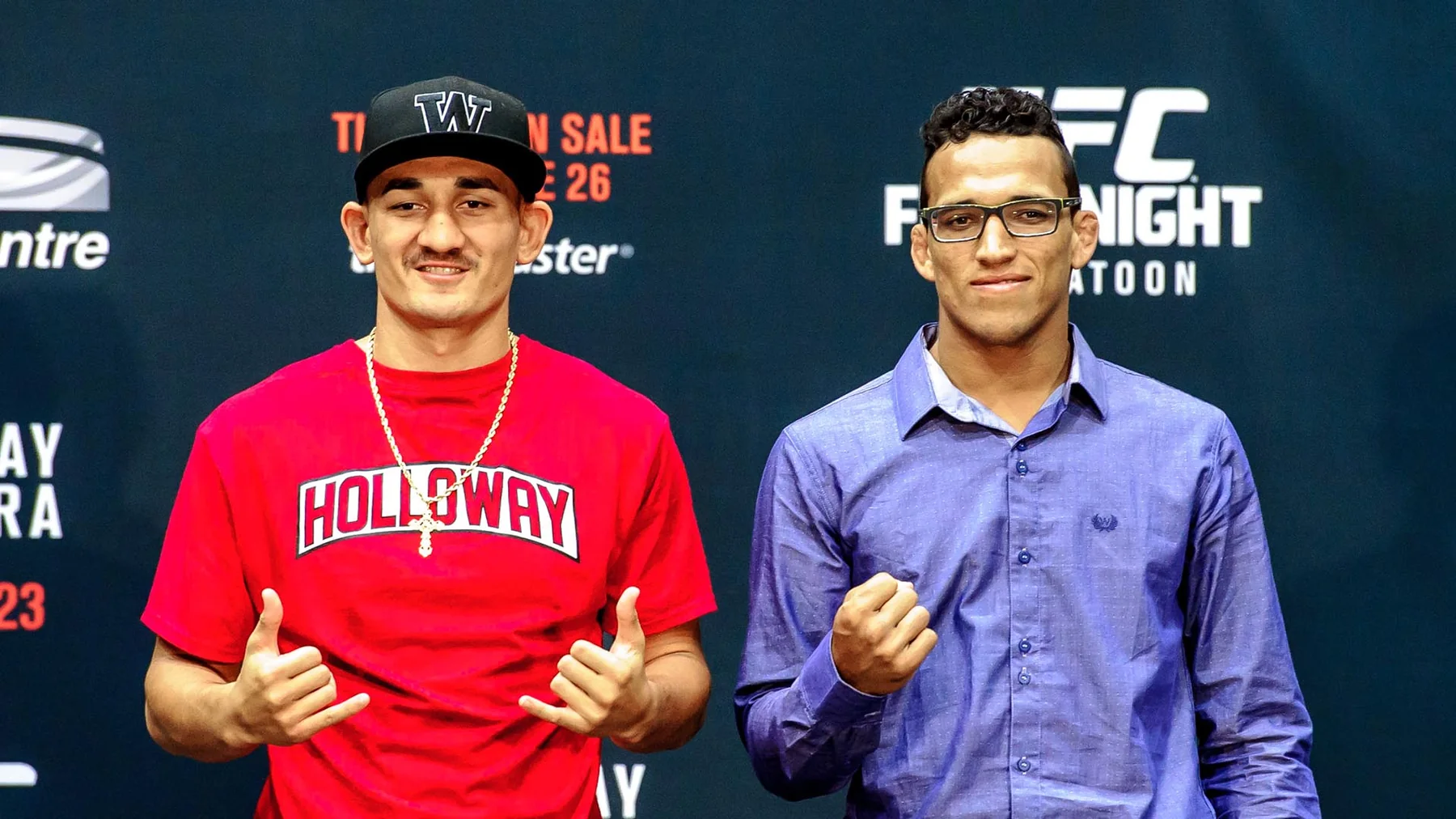
Holloway and Oliveira first met in August 2015 at featherweight. The fight ended in the opening round after Oliveira suffered an injury and could not continue, giving Holloway the official TKO. That result belongs on both records, but it offered little technical resolution. Neither fighter had enough time to establish a complete game plan, and an injury stoppage cannot tell us how later rounds would have developed.
The difference matters when describing a rematch. Holloway was the official first winner; Oliveira did not lose a sustained striking or grappling battle that night. UFC 326 therefore carried the curiosity of a first full competitive test between them, even though record books correctly labeled it their second fight.
What eleven years changed technically
Both men arrived in 2026 at lightweight with championship experience and far broader résumés. Holloway had developed one of the promotion's most recognizable volume-boxing games, learned to operate across five rounds and carried the BMF belt. Oliveira had become a UFC lightweight champion, sharpened his pressure striking and built the promotion's leading submission record.
The move from featherweight also changed the physical contest. At lightweight, Oliveira could pressure and grapple without the same cut to 145 pounds, while Holloway carried more experience against bigger punchers after moving up. UFC 326 was not an attempt to recreate two prospects from Saskatoon. It was a contest between mature veterans whose strongest systems were now obvious to the other camp.
Oliveira's win answered the question the first meeting left open: over a completed fight, he could impose grappling phases often enough to beat Holloway round after round. It did not erase Holloway's 2015 official victory. The rivalry now contains two different truths—an injury TKO in the first meeting and a comprehensive Oliveira decision in the rematch. Both belong in any historical comparison.
The UFC 326 main card results that mattered most
Caio Borralho defeated Reinier de Ridder by unanimous decision in the co-featured middleweight bout. The result was less spectacular than the two knockouts below it, but more directly connected to the rankings. Borralho entered as the higher-ranked fighter and left with the kind of controlled win that preserves a contender position. A decision over a proven grappling threat also matters differently from running through an opponent who accepts the preferred phase.
Raul Rosas Jr. defeated Rob Font by unanimous decision, with all three judges scoring it 30-27. Font represented veteran bantamweight craft and a long jab-based test; Rosas needed to show that youth and grappling promise could survive a full three-round tactical fight. Sweeping the cards did not make him a finished contender, but it supplied evidence that his game can hold together when an opponent refuses to disappear in the first scramble.
The card's sharpest violence came from familiar names. Drew Dober stopped Michael Johnson with a left hand at 1:53 of Round 2. Both men entered with long UFC histories and real knockout danger, so the result was a reminder that veteran placement does not make a lightweight exchange safe. Gregory Rodrigues needed only 1:47 to knock out Brunno Ferreira with a right hand, converting a compact middleweight firefight into an immediate result.
Dober and Rodrigues were listed for performance recognition on the official event page. More important for analysis, both finishes changed the rhythm of a main card otherwise dominated by decisions. UFC 326 asked fans to appreciate patient grappling at the top, but it also produced the short, high-consequence exchanges associated with both veterans.
Complete UFC 326 final results
This is the completed card, not an early bout announcement. It follows the official event record after replacements and cancellations were resolved.
| Winner | Opponent | Method |
|---|---|---|
| Charles Oliveira | Max Holloway | UD, 50-45 x3 |
| Caio Borralho | Reinier de Ridder | UD, 3 rounds |
| Raul Rosas Jr. | Rob Font | UD, 30-27 x3 |
| Drew Dober | Michael Johnson | TKO, R2 1:53 |
| Gregory Rodrigues | Brunno Ferreira | KO, R1 1:47 |
| Cody Garbrandt | Xiao Long | UD |
| Donte Johnson | Cody Brundage | Split decision |
| Alberto Montes | Ricky Turcios | Submission, R2 0:40 |
| Nyamjargal Tumendemberel | Cody Durden | UD |
| Sumudaerji | Jesus Aguilar | UD |
| Diyar Nurgozhay | Rafael Tobias | UD |
| Rodolfo Bellato | Luke Fernandez | TKO, R1 2:42 |
Seven bouts reached a decision, while five ended inside the distance. The split tells the story of the night better than calling the show slow or violent: the top three fights required patient scorecard reading, while Dober, Rodrigues, Montes and Bellato produced clear finishing sequences. Fans who only watched the main event missed the variety of the undercard.
The official event page remains the source for video modules and late corrections. The table is designed as a durable answer to the historical search, while the rolling UFC results page is better for the newest card.
What UFC 326 changed for Oliveira and Holloway
Oliveira left with the BMF belt and a victory over an opponent whose first official win against him had stood for more than a decade. That combination strengthens his position as a marquee lightweight. The performance also showed a mature version of his game: he could win 25 disciplined minutes rather than create chaos until a submission appeared.
The BMF belt needs precise description. It is a promotional championship attached to high-profile fights, not the undisputed lightweight title. Winning it does not automatically make Oliveira the division's champion or produce a mandatory challenger. It does, however, give the UFC a recognizable centerpiece for another major fight and proves Oliveira remains capable of beating elite opposition.
For Holloway, the defeat was comprehensive without being a collapse. He defended submissions, completed five rounds and continued trying to create offense, but he did not solve the same positional problem often enough to claim one judge's round. His next preparation must therefore involve more than adding combinations. He needs ways to stop an opponent from turning retreat into prolonged grappling and ways to score immediately after a separation.
Neither analysis books a future bout. A fan-friendly opponent can be obvious on paper and still fail to materialize because timing, health and divisional plans change. As of the research date, the defensible facts are the result, the BMF transfer and each fighter's updated record. Track actual announcements on the upcoming UFC events page.
UFC 326 ultimately changed the rivalry's meaning. The first fight remains a Holloway TKO caused by Oliveira's injury; the second is a five-round Oliveira sweep. One record cannot replace the other. Together they show why method and context matter as much as the win column—and why the 2026 result finally supplied the sustained competition that 2015 could not.
Fight talk
Comments