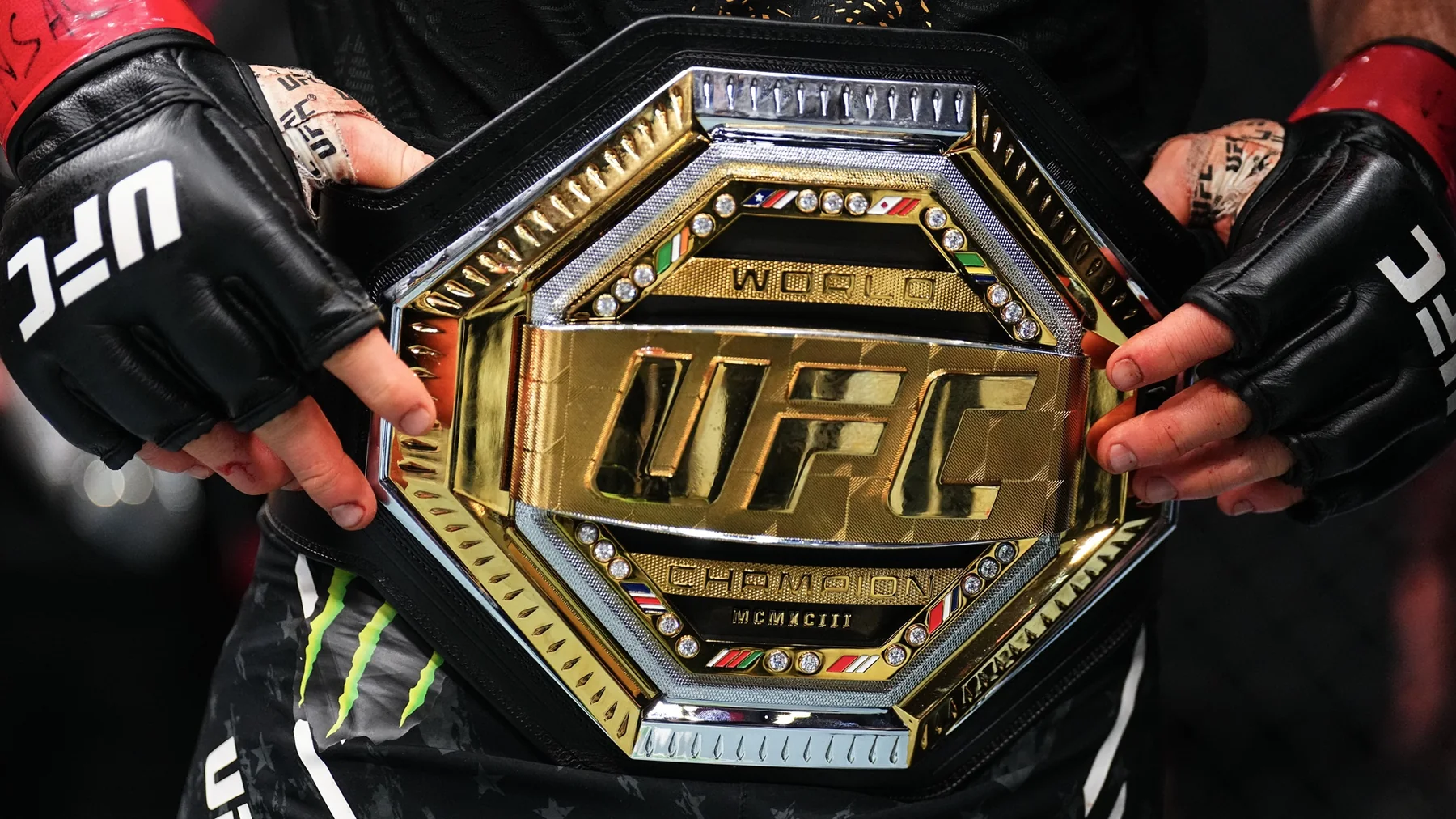
Premium does not remove UFC live advertising
UFC on Paramount+ still has advertising with Premium because the service explicitly excludes live events from its ad-free on-demand promise. For U.S. fight fans, upgrading from Essential does not buy a commercial-free live UFC card. That applies to both numbered events and Fight Nights. This policy was checked on October 29, 2026; viewers elsewhere should check the product sold in their own country before using U.S. plan comparisons.
The clearest explanation is in Paramount+'s UFC help page, which addresses Premium subscribers directly. Its live-event exception is more useful than guessing from an advertisement, a subscription badge or someone else's screenshot. A subscriber can have the correct account, the correct plan and a working stream while still seeing a scheduled commercial break.
Live coverage and on-demand viewing are different products
Think about the item you selected. A live UFC broadcast follows the event as it unfolds, including the intervals its producer chooses to fill. An on-demand movie or episode is a different viewing situation. The word Premium describes a package with several benefits; it does not give every video in that package identical advertising treatment. That is the distinction to check before spending more for Saturday's main event.
It also explains why the absence of a separate pay-per-view purchase does not settle the advertising question. Event access and advertising are two separate conditions of the offer. You can receive the fight without another event charge and still encounter commercials. Our guide to watching UFC on Paramount+ explains the broader access arrangement; the live-ad exception is the specific issue here.
Promotions and sponsorship have their own exceptions
The official wording also distinguishes promotions, trailers before or after content, and sponsorship or similar material. Consequently, an ad-free description should not be read as a promise that a screen will contain no branding of any kind. A sponsor visible on the canvas is a different experience from a commercial replacing the broadcast, even though both may feel like advertising to a viewer.
For a useful complaint, identify what actually appeared: a separate commercial break, a promotion before the video, sponsor branding within the picture, or a video that stopped returning to the fight. Those details lead to different questions. The live-ad policy explains an ordinary break. It does not, by itself, establish that every interruption was correctly timed or that a prolonged failure is something a paying subscriber must accept.
Why the breaks bother fight fans
A break can remove meaningful UFC coverage without removing a second of an active round. Corner instructions tell a viewer what a fighter's team believes is going wrong. A coach may call for an angle on the exit, a different takedown entry or a change of pace. Seeing the fighter attempt that adjustment in the next round makes the contest easier to understand. Losing the conversation therefore changes the viewing experience even when the bell-to-bell action is intact.
Walkouts do a different job. They establish atmosphere, show a fighter approaching the cage and give the audience a transition from discussion to competition. Some viewers happily skip them; others consider them part of the occasion they paid to watch. Neither preference changes the subscription terms. It does explain why two fans can watch the same card, encounter the same breaks and reach very different judgments about its value.
The complaint predates the current discussion. In its January 27 reporting on the Paramount+ debut, Front Office Sports described frustration over walkouts and corner audio. That reporting also recorded Dana White's defense of the lower-priced access model. An explanation of how the business supports the broadcast is useful context, but it does not answer a fan asking why a specific tactical conversation was covered by commercial audio.
Later community discussion contains both sides: people who miss corners or entrances, and people who value convenient access or shorter replays. Those comments illustrate experiences. They do not measure the proportion of subscribers affected, prove a change on every device or establish an exact advertising load for the next event. A thread full of criticism is not an audited comparison of every card.
For readers describing their own frustration, the most useful distinction is what was lost. Missing a walkout is a presentation complaint. Missing the first exchange after a round begins is a coverage problem worth describing precisely. Having a sponsor logo remain visible while the fight continues is another category. Lumping all three into “too many ads” makes it harder to explain what improvement you want.
The strongest feedback identifies the experience you value: uninterrupted active rounds, audible corner advice, complete entrances or a more faithful replay. It can acknowledge the subscription's affordability while asking for that part of the show to improve. There is no need to claim the entire service fails, or that every other subscriber shares the same priorities, to make a specific criticism worth hearing.
What upgrading actually changes for a UFC viewer
If live UFC is your only reason to subscribe, Premium's advertising label is not a reason to upgrade. The U.S. offer includes UFC on Essential as well as Premium. A higher tier is not needed simply because the card has a number, a championship fight or a famous headliner. Before changing anything, separate the right to watch the event from the other services bundled into your account.
Paramount+'s published U.S. cost comparison lists Essential at $8.99 monthly or $89.99 annually and Premium at $13.99 monthly or $139.99 annually, before applicable taxes. These are the page's published list prices, not a quotation for every subscriber or a promise about future pricing. Promotions, bundles and the company handling your payment can change the amount you actually pay. Check your own checkout and renewal terms.
Compare the whole subscription before paying more
At those list prices, the monthly difference is $5 and the annual difference is $50. The relevant question is what you receive for that difference across your normal viewing. The published Premium table includes benefits such as SHOWTIME programming and a live CBS feed, subject to availability, alongside its on-demand advertising treatment. A viewer who uses those benefits regularly is making a different decision from someone who opens the app only for fights.
A simple comparison helps. List the content you actually watch in a typical month, then identify the benefit that matters for each item. For live UFC, put event access and reliability on that list. For a drama you stream later, advertising treatment may matter more. For a specific CBS program, local availability matters. A plan name alone is too broad to tell you whether you will notice the extra spend.
Also compare billing periods carefully. An annual subscription is a longer commitment, so multiplying a discounted monthly promotion by twelve can create a misleading comparison. Use the renewal amount and commitment shown to your account. If you subscribed through another company, consult that seller's terms before making a change; do not assume an instruction written for a direct Paramount+ subscription applies to every billing arrangement.
None of this requires accepting the advertising as enjoyable. It helps ensure that your response to an annoying broadcast does not become an unnecessary purchase. You can decide Premium is useful for the rest of the household while recognizing that live UFC will still have breaks. You can also decide the cheaper eligible tier is sufficient for your purposes. Both choices begin with the same factual point: the upgrade is not an advertised way to remove UFC live commercials.
Replays and alternative feeds need separate checks
Waiting for a replay can change the way you watch a card, but it is not a universal answer to the advertising complaint. First decide what you want to preserve. Someone watching only the exchanges may welcome a compact fight video. Someone studying a coach's adjustment may need the interval between rounds. Someone reliving the event may want the entrances and presentation. Those are three different requirements, even when each viewer asks for “the replay.”
A replay is not a promise of the original broadcast
Paramount+'s official UFC information includes on-demand fights and events. It does not establish that every available item is an unedited recording of the original live show. In the community thread, some viewers describe individual fight clips and omitted walkouts; other viewers like being able to get straight to the action. Treat that as a reason to inspect the available item, rather than a rule for every event in every territory.
Check the event identity and whether the listing is a full event, a single bout or highlights. If preserving the corner conversation matters, verify that feature in the particular replay before relying on it for a detailed rewatch. A collection containing every bout can still present a different experience from one continuous broadcast. Paying for access to the bouts does not tell you how the presentation between those bouts has been edited.
Multicam is not a guaranteed ad-free replacement
A suggestion in the same discussion is to switch to multicam during commercials to see the corner. That is one viewer's report, not an official promise that every event, device or account has the same option. We have not tested it on a signed-in account for this guide. It would be misleading to prescribe a universal button sequence or say it always restores the sound a fan wants.
If your event offers alternative views, assess what they actually deliver. A different angle may show the cage while carrying different audio or its own presentation. Another language stream is likewise a language choice, not evidence of a different advertising policy. The official help page confirms selected language options, but it does not make those options an advertised route to commercial-free UFC.
The useful habit is to evaluate the event you can actually open, on the device you intend to use, before a crucial moment arrives. Keep the normal broadcast available if an alternative view does not serve your purpose. These checks can help you choose among available presentations. They should not be sold as a cure for a policy that explicitly allows advertising during live events.
Tell an advertising break from a playback problem
A normal advertising break and a stream that fails to return to the fight deserve different responses. Start with the symptom instead of assuming that Premium is missing. If the broadcast continues after a scheduled break, the live-ad policy may explain what happened. If the picture freezes, the same commercial repeatedly restarts or active action is absent when it should have resumed, record that behavior as a playback or coverage issue.
The first useful detail is the event and bout. “The third round of this fight was already underway when my picture returned” tells support more than “UFC has ads.” Add the approximate local time and whether you were watching live or behind the live position. A delay between two screens can create confusing comparisons, so note that difference before assuming both devices were showing the same moment.
Next identify the feed and viewing route. Include the language, any alternate view and whether you opened the service directly or through a partner channel. Your receipt and your playback account may follow different routes. Do not buy another subscription simply to test whether the advertising disappears. An additional charge is not evidence that an existing streaming problem has been repaired.
When practical, compare the same eligible stream on another supported device using the same access route. A working second device can give you an immediate way to watch while also narrowing the report. It does not prove a nationwide outage, and a failure on two devices does not prove one either. Describe the results rather than attaching a diagnosis you cannot establish. Our Paramount+ UFC troubleshooting guide provides the longer account, catalog and device checks.
If you contact support, keep the device model, app or browser version, event segment and exact message together. For an apparent timing problem, explain what returned after the ad and what you believe was missed. A screenshot may help show an error, but avoid exposing account or payment information. Use the help route published by the service or the company handling your purchase.
This is also how to distinguish a request for better production from a request for technical repair. “Please keep corner audio available” asks for a presentation change. “The player never returned after the commercial” asks for an investigation into a failure. Both are legitimate concerns. Neither is resolved merely by pointing to the other, and neither creates an automatic promise of a refund or a particular support outcome.
Make the plan decision around the coverage you value
Before the next renewal, decide what a satisfying UFC broadcast means to you. If your priority is legal access to every live U.S. card without a separate event purchase, compare eligible plans on that basis. If the rest of your household watches on-demand programs frequently, include those needs too. If your strongest priority is uninterrupted corners or entrances, recognize that the Premium live-ad exception does not promise that experience.
Be equally careful with promises about future improvements. White's comments after the January debut explain how he responded to early criticism. They are not a schedule for removing advertising, and they do not override the current help wording. A report that a producer is working on the experience should not become an article claiming next week's show will be commercial-free.
The purchasing conclusion is straightforward: do not upgrade solely to remove live UFC ads. Choose Premium when its actual additional benefits are useful to you. Keep production feedback specific when a break covers something you value, and report a failure precisely when the fight does not return. A clear understanding of the offer lets you make that decision without either pretending the complaints do not matter or paying extra for a live experience the higher tier does not advertise.
Fight talk
Comments