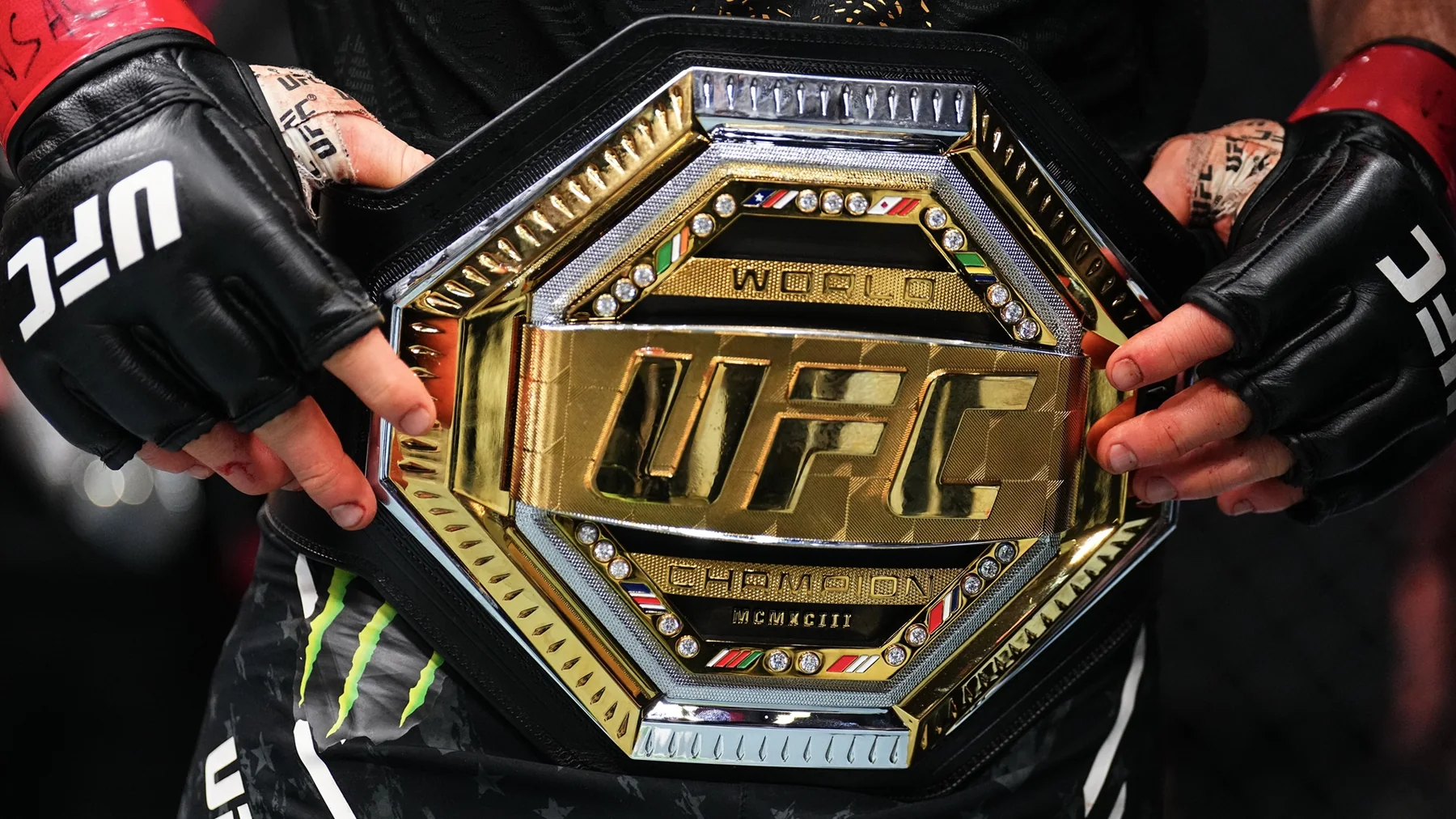
What Paramount+ offers, and what fans say is missing
Paramount+ offers UFC on demand, but “UFC replay” does not always mean one video reproducing the entire live broadcast. That distinction explains much of the frustration about individual fights, visible runtimes and playback order. Before assuming a replay is unavailable, identify the event and the kind of recording you want: one bout, every bout in a collection, or the full presentation from beginning to end.
For U.S. subscribers, the official UFC offer includes live and on-demand access without a separate numbered-event fee. The public numbered-event Episode Guide has event selectors and bout entries. When checked on October 29, 2026, its UFC 333 selection also showed an “All the Fights” item. That is a concrete public listing, not proof that every event has the same edit or that every country's account can open it.
The criticism is more specific than “there are no replays.” In one discussion, viewers described needing to select individual fights and missing the transitions, entrances and commentary that made the live show feel continuous. Another commenter reported finding a full-event recap for an older numbered card. Those different reports are a reason to avoid promising either universal availability or universal absence.
This guide uses public catalog observations, official information and attributed viewer reports. It is not a signed-in device test. Menu names, catalog options and playback behavior can differ by device, territory, event and purchase route. We will not invent a “Play Full Event” control or claim that changing one setting fixes every account. The aim is to help you recognize the right item and describe the remaining problem accurately.
Start with the exact event number or headliner and date. A library entry featuring a familiar fighter could be an older contest, an interview, highlights or the bout you want. If you are still establishing which subscription covers the event, use our Paramount+ UFC viewing guide first. Once access is established, the separate questions are how much of the event was preserved, whether browsing reveals its outcome, and whether the next video follows the original fight order.
A full event and all the fights are different things
A full bout preserves one contest. A collection of all the bouts preserves the card's competitive content. The original broadcast also contains the material around those contests: entrances, introductions, desk segments, interviews and pauses between fights. A replay can satisfy the second description without satisfying the third. That is why a fan can acknowledge that the fights are available and still feel the event they watched live is missing.
Read the replay label before pressing play
The useful first check is the item's label, event identity and description. An “All the Fights” listing is a reason to investigate a combined presentation, not a guarantee of every walkout or every minute of commentary. A single matchup title is a reason to expect that bout. “Highlights,” “recap” and “full event” should likewise prompt you to check what the item actually includes instead of treating the words as interchangeable.
If you already know the result and are checking a replay's completeness, sample the transitions that matter to you. Does it move directly into the next bout? Are post-fight interviews retained? Is the corner interval audible? For an unseen card, that inspection carries spoiler risks, so ask someone who has watched it to identify the suitable entry if possible. There is no honest promise that every public listing can be checked without learning anything about the outcome.
Walkout music explains part of the editing debate
There is a reported explanation for at least part of the problem. In July 12 coverage of the UFC 329 press conference, MMASucka reported White identifying music as an issue when discussing replay walkouts and saying work was ongoing. That is an attributed account of his response, not an independent examination of the contracts governing every song or every archive item.
It should not be expanded into a universal explanation. Missing music, missing corner audio, a reversed playlist and an unavailable video are different observations. White's comment does not establish that each has the same cause. It also does not supply a date when every event will appear exactly as it aired. A viewer asking for complete atmosphere deserves that distinction instead of an unsupported claim that licensing explains everything.
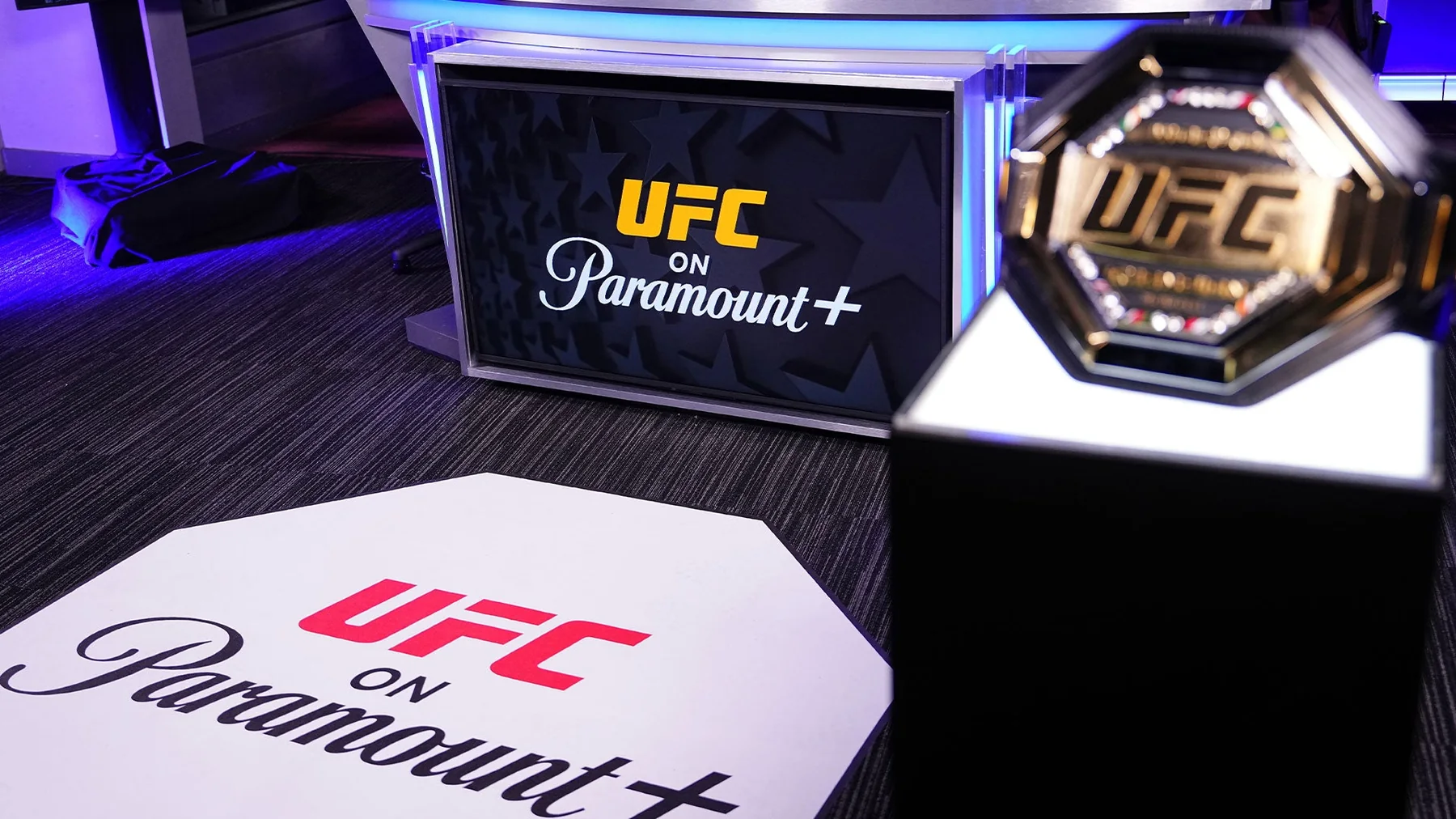
Why runtimes and thumbnails can spoil an unseen fight
A video does not have to name the winner to give away part of the suspense. If an unseen three-round bout has a conspicuously short file, a viewer may begin expecting an early stoppage. If plenty of video remains late in the contest, the same viewer may expect the action to continue. That inference can change how every submission attempt or flurry feels, even when the inference turns out to be wrong.
Runtime is not an exact result code. A clip may include introductions, a decision announcement or an interview; another edit may remove those things. Scheduled rounds, breaks and presentation add different amounts to the file. A long video does not prove a decision, and a short one does not identify the winner or method. The complaint is that the viewer is pushed into making predictions from presentation clues instead of discovering the fight naturally.
Fight-by-fight replay complaints explicitly raise this issue. Other viewers describe thumbnails showing an outcome. There is also a more direct hazard: some descriptions in the official public episode guide name a finish or an important incident. We are deliberately not reproducing those results here. A page intended to help select a replay can therefore reveal information before playback starts.
Reduce clues without pretending they disappear
Use the most direct known event entry you can, avoid result pages and do not browse recaps while looking for the replay. If another person has already seen the card, ask them to identify the appropriate recording without describing what happens. They can help distinguish a combined presentation from highlights while sparing you some browsing. That is a practical precaution, not a feature we claim Paramount+ provides.
Once the correct item is playing, unnecessary pauses, scrubbing and returns to the episode list can expose more information. Avoid those actions when you do not need them. If your device offers a relevant preference, read its actual description before relying on it; this guide has not verified a platform-wide spoiler switch. A setting that changes autoplay would not necessarily hide thumbnails, durations or descriptive text.
Finally, decide what level of protection matters to you. Some fight fans only want the winner concealed; others want no hint of length, momentum or finish. The second standard is much harder to preserve in a browsable sports library. Knowing that limitation lets you choose a cautious viewing route without turning a suggestive runtime into a supposed fact about the contest you are about to watch.
Keep the card order without trusting autoplay
Printed billing order and viewing order are different. A main event often appears first on a card listing because it is the featured attraction, even though it is the final bout in the show. The public Paramount+ UFC 333 guide similarly places its combined listing ahead of the main event and other individual bouts. That page arrangement is not a promise that pressing play will take you chronologically from the opening prelim to the headliner.
Some viewers in the replay discussions say autoplay returns to a previous fight or moves backward through the bill. These are reports of their experience, not proof that every version of the app behaves identically. They do explain why relying on the next suggested video can be risky for someone trying to recreate the original evening. A recommendation may be a reasonable related video and still be the wrong next contest for your purpose.
For a future event, save a simple bout order before the action begins, then check for late changes while it is still safe to do so. Early Prelims, Prelims and Main Card describe segments, not a complete chronological list. The UFC schedule helps with dates and card preparation, but do not assume a schedule or official event page remains spoiler-free after the fights are over. Results may be added to the same destination.
If the card is already finished and unseen, ask a trusted person for an order-only list rather than browsing a result page. Ask for fighter names and sequence without methods, rounds, times or comments such as “don't skip this one.” Even a recommendation about the best fight can change expectations. When selecting individual videos, compare the next matchup against that list before letting a recommendation take over.
A combined recording, where available and suitable, reduces the number of selections you must make. It does not automatically establish that every transition was retained or that the recording contains the entire preliminary portion. Confirm its scope. If you must switch from prelims to a separate main-card item, treat that as another deliberate selection rather than assuming one file necessarily contains both.
If autoplay fails to follow the intended sequence on your device, describe that behavior precisely when reporting it. Identify the fight that finished and the one that began next. A clear example is more useful than “the order is broken,” and it avoids confusing a playback malfunction with a page that simply prints the headline attraction first. Chronology is the goal; the screen's visual prominence is not a reliable substitute.
Choose a replay around the parts of UFC you want to study
The best replay format depends on why you are returning to the event. Catching up on every contest, revisiting a favorite finish and studying a tactical change are different tasks. A short edit may be excellent for one and inadequate for another. Specify the task before deciding that a recording is complete enough, rather than using “full” as a substitute for the material you actually need.
Technical study needs more than a finish clip
For technique, start with a complete bout and follow the sequence leading to the moment that interests you. A clean finishing punch may depend on earlier body work, a repeated entry or an opponent's changing response. A successful takedown can look different after you have watched two unsuccessful attempts. The finishing exchange supplies the result; the earlier exchanges help explain why the opportunity existed.
Corner intervals can add another layer. A coach's instruction may clarify an intended adjustment, but it is still advice from one side rather than a neutral scorecard. Listen for the task being requested, then watch whether the fighter carries it out. Avoid turning an urgent corner message into proof that a fighter was officially losing. Judges, coaches and commentators have different roles and different vantage points.
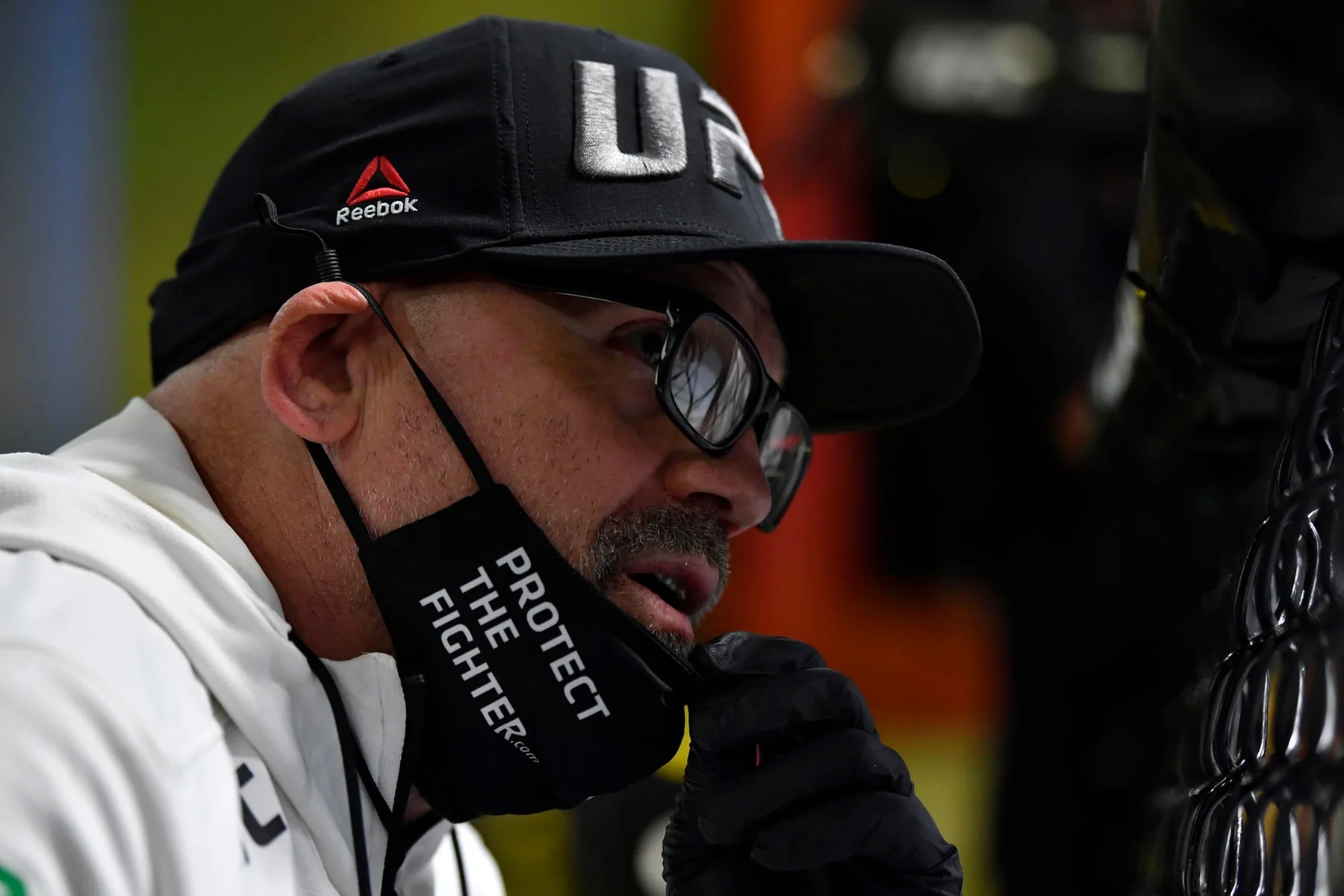
Real coaching relationships also extend beyond one memorable speech. In UFC's 2021 interview with John Hackleman, he discussed his long relationship with Glover Teixeira and the fighter's evolving style. That is useful context for why viewers care about preparation and coaching. It does not mean every instruction is available in every later replay, or that a highlight alone can explain the work behind the outcome.
Atmosphere and efficient viewing are different preferences
For some fans, entrances, venue shots and the broadcast desk are part of the evening's identity. For others, removing the waiting is the chief advantage of watching later. The discussions contain both preferences. Neither establishes a consensus, and neither requires treating the other viewer as less interested in MMA. The disagreement is about how much surrounding presentation they want preserved.
Choose accordingly. A direct bout entry can serve a focused rewatch. A combined presentation may better suit a card watched socially. An original-broadcast recording, where available, better serves someone trying to relive the occasion. When a format falls short, identify the missing ingredient. “I want the between-round instruction retained” is more precise than asking for an undefined improvement to the entire archive.
Report a missing replay precisely
Before reporting a missing replay, decide which problem you have. An event absent from the catalog is different from a visible video that will not play. Both are different from a recording that plays correctly but omits the entrances you wanted. The first calls for an availability check, the second for playback investigation, and the third for a request about presentation. Calling all three “no replay” hides the distinction.
A useful report might say: “I can open the individual bouts for this event on this device, but I cannot find a continuous recording that includes the between-fight presentation.” That explains what is available and what is missing without claiming the entire service is down. For an order problem, name the two videos involved. For a playback problem, include the actual message or what happens when the video starts.
Add the event number or headliner, date, viewing country, device and app or browser version. State whether you bought access directly or through a partner channel. If the same item appears elsewhere on another supported device, mention that comparison. It is useful evidence of a difference, not proof that every account should share one menu or catalog. Keep private account and payment details out of public posts.
Use the Help/Contact Us destination linked from Paramount+'s own site, or the relevant purchasing provider when the issue belongs to that channel. Do not treat an address or telephone number copied from an old forum as the current official support route. For a video that is listed but fails to run, our UFC playback troubleshooting article covers the broader diagnosis.
A replay request also needs a realistic boundary: this guide cannot promise an upload deadline, a particular edit, a support response time or a future fix date. An old comment saying a workaround succeeded is not evidence that it works on your device today. What you can do is identify the desired recording clearly, reduce unnecessary spoiler exposure and preserve the intended order where the available format allows it. That turns a vague archive complaint into a concrete description of the UFC viewing experience you want restored.
Fight talk
Comments