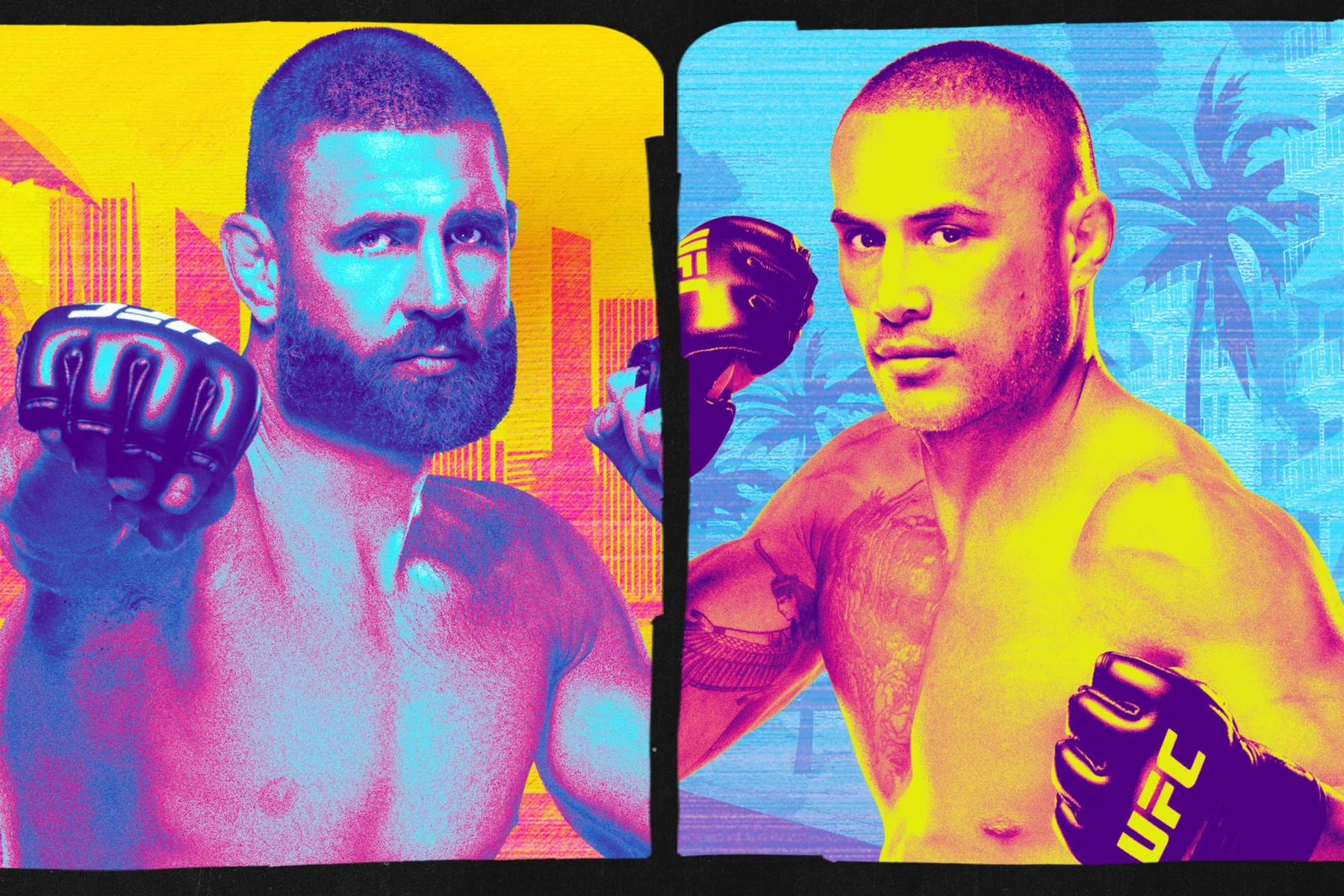
Carlos Ulberg left UFC 327 as the light heavyweight champion after knocking out Jiri Prochazka at 3:45 of the first round. The finish came after an apparent knee problem changed the visual story of the bout, but Ulberg stayed composed long enough to land the decisive counter. This report records every winner and separates confirmed results from technical interpretation.
UFC 327 results at a glance
UFC 327 took place April 11, 2026 at Kaseya Center in Miami. In the main event, Carlos Ulberg defeated Jiri Prochazka by first-round KO/TKO at 3:45 to claim the vacant UFC light heavyweight title. The official page identifies the method and time; contemporary reporting supplies the unusual context around Ulberg's leg and the counter that ended the fight.
Main event: Ulberg def. Prochazka, KO/TKO, R1 3:45.
Key supporting finish: Paulo Costa def. Azamat Murzakanov, KO/TKO, R3 1:23.
Heavyweight result: Josh Hokit def. Curtis Blaydes, unanimous decision.
The card also delivered wins for Dominick Reyes, Cub Swanson, Aaron Pico, Kevin Holland, Mateusz Gamrot, Tatiana Suarez, Vicente Luque and Charles Radtke, plus a majority draw between Chris Padilla and MarQuel Mederos. That combination of a championship knockout, submissions and close decisions gives UFC 327 more replay value than its headline alone suggests.
One correction is especially important: Paulo Costa, not Murzakanov, won their bout. An early Associated Press version acknowledged that it had misidentified the winner. The official UFC event record confirms Costa's third-round stoppage, illustrating why the promotion's result page should control the final table when live reports conflict.
Use the site's UFC results page for the latest event list. The sections below explain how the title changed, which supporting results mattered and what can responsibly be said about the winners' next steps.
How Carlos Ulberg knocked out Jiri Prochazka
The finish makes sense only when placed after the moment that seemed to put Ulberg in danger. Contemporary reports described his right knee buckling after he planted early in the round. Ulberg later used much stronger language about the injury himself. Without a public medical diagnosis, the accurate description is an apparent knee problem—not a definitive statement about torn structures or recovery time.
The leg-and-knee sequence before the finish
Prochazka recognized the compromised movement and attacked with leg kicks. That response was logical: damage the base, reduce Ulberg's exits and make a mobile counter striker easier to trap. The tactical danger was allowing the visible problem to change the pace of pursuit. An opponent who cannot move normally can still punch with timing and power, especially when the pursuer crosses distance in a predictable line.
Ulberg did not need to prove the leg was healthy. He needed enough balance for one exchange and enough composure to make Prochazka initiate. By remaining a counter threat, he prevented the apparent vulnerability from becoming complete control. This is why injury footage should not be read as an automatic result before the official stoppage.
The counter left that decided the title fight
As Prochazka came forward, Ulberg found the left hand that ended the contest. The clean counter punished the entry rather than requiring prolonged combination work. Prochazka's unconventional rhythm often makes opponents hesitate, but it can also expose his head when his offense carries him into range. Ulberg stayed compact enough to take advantage.
The official time—3:45 of round one—captures how quickly the story reversed. Seconds earlier, the apparent knee issue made Ulberg look like the fighter whose options were shrinking. One accurate counter changed him into the champion. That does not mean the leg kicks were a mistake by themselves; it means the pursuit around them still required defensive responsibility.
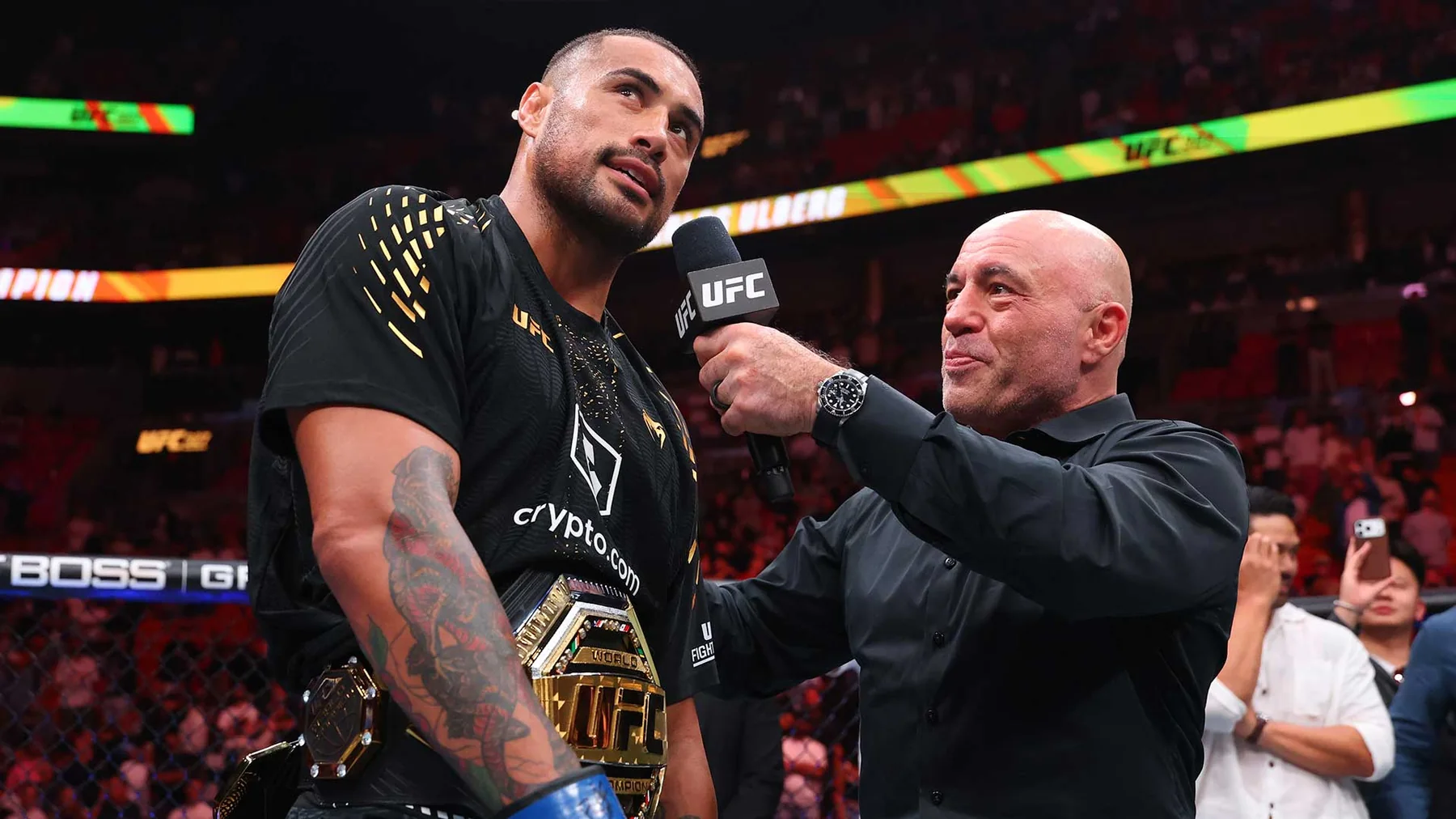
For fight fans, the replay lesson is to watch feet, distance and the line of entry rather than only the final punch. The knockout was sudden, but the opportunity came from the interaction between perceived vulnerability and increased aggression.
What Ulberg's championship win changes at light heavyweight
A new champion after a high-risk vacant-title bout
Ulberg's knockout installed a new champion and changed the question for every ranked light heavyweight. Contenders are no longer preparing for an abstract vacant belt; they are preparing for a champion who can maintain counter-punching danger while his own movement is compromised. That evidence may affect how aggressively future opponents chase apparent openings.
The win also shortens the gap between Ulberg's contender résumé and championship identity. A first-round finish over a former champion carries a different kind of proof than a cautious decision. It shows that his timing can survive the pressure of a title main event. It does not answer every grappling or five-round endurance question, which gives the division meaningful ways to test him next.
Prochazka's style, mistake and possible reset
Prochazka's unpredictability remains both weapon and cost. His changing rhythm, long combinations and willingness to create disorder can break conventional opponents. Against Ulberg, the forward moment around a visible weakness created the lane for a compact counter. The lesson is not to strip all aggression from his game. It is to preserve head position and exit awareness when urgency rises.
The knockout loss does not remove Prochazka from relevance, but recovery should precede matchmaking. Ulberg's apparent knee problem also makes his own timetable uncertain until reliable medical or UFC information appears. The current light heavyweight rankings guide shows the surrounding field; it should not be treated as confirmation of either fighter's next bout.
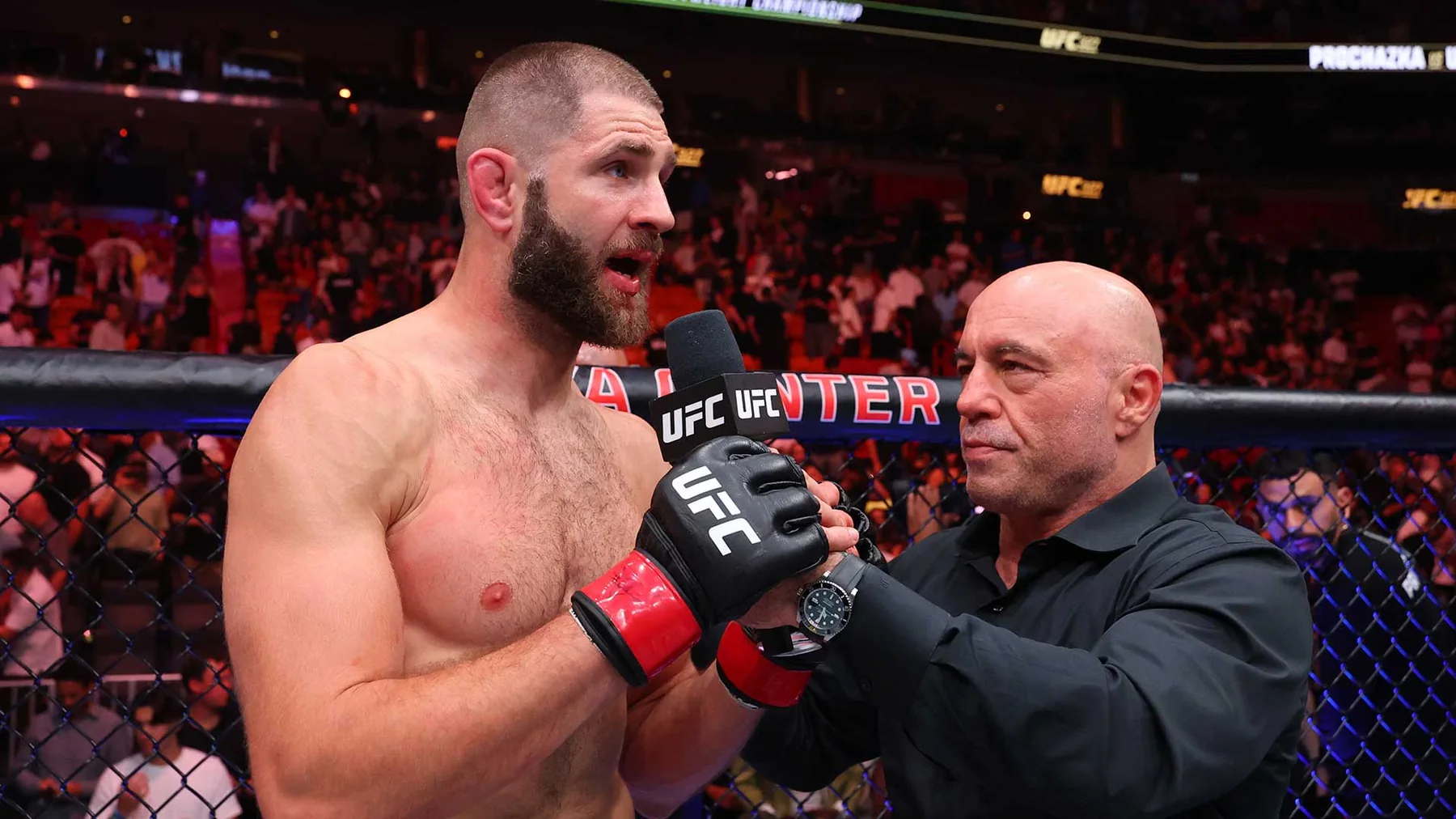
The durable divisional change is simple: Ulberg holds the championship because he won the highest-leverage exchange at UFC 327. Future challengers must now solve his counter timing without abandoning the pressure needed to win rounds.
UFC 327 main-card results
| Winner | Opponent | Result |
|---|---|---|
| Carlos Ulberg | Jiri Prochazka | KO/TKO, R1 3:45 |
| Paulo Costa | Azamat Murzakanov | KO/TKO, R3 1:23 |
| Josh Hokit | Curtis Blaydes | Unanimous decision |
| Dominick Reyes | Johnny Walker | Split decision |
| Cub Swanson | Nate Landwehr | KO/TKO, R1 4:06 |
| Aaron Pico | Patricio Pitbull | Unanimous decision |
Costa, Hokit and Walker reshape the supporting story
Costa stopped Murzakanov at 1:23 of round three, turning a fight that had already demanded two rounds of work into a conclusive result. Hokit beat the established Curtis Blaydes over three rounds by unanimous decision, a major test of whether a developing heavyweight could sustain his game against experienced wrestling and clinch decisions.
Dominick Reyes, not Johnny Walker, won their light heavyweight bout by split decision. The distinction matters because the matchup carried finishing reputations, yet the result came down to three separate scorecards. The replay question is which fighter produced the cleaner effective offense in each round, rather than who created the louder isolated exchange.
Swanson and Pitbull deliver veteran statements
Cub Swanson stopped Nate Landwehr at 4:06 of the first round, showing that veteran timing can still punish a high-energy opponent. Patricio Pitbull completed all three rounds, but Aaron Pico earned the unanimous decision. For Pico, beating an accomplished veteran tests patience and position in a way a quick finish cannot. For Pitbull, the loss still offers information about adapting his experience to a different roster and scoring environment.
These results gave UFC 327 a main card with two knockouts, three decisions and a championship finish. The methods are different, but every result affects matchmaking more when paired with the quality and style of the opponent.
UFC 327 prelim results
- Kevin Holland def. Randy Brown by unanimous decision.
- Mateusz Gamrot def. Esteban Ribovics by submission, R2 4:19.
- Tatiana Suarez def. Loopy Godinez by submission, R2 2:29.
- Chris Padilla vs MarQuel Mederos ended in a majority draw.
- Vicente Luque def. Kelvin Gastelum by submission, R1 4:08.
- Charles Radtke def. Francisco Prado by unanimous decision.
Submission finishes that changed expected trajectories
Gamrot submitted Ribovics late in round two, converting a lightweight matchup with dangerous striking phases into a grappling finish. Suarez also won in round two, submitting Godinez at 2:29. Luque needed less than one round to submit Gastelum at 4:08. In each case, the finish matters because the opponent could not merely be controlled to the horn; a position became an ending.
The official method label does not explain every setup. A meaningful replay should follow the entry, transition and defensive choice before the submission. Gamrot's chain wrestling, Suarez's positional pressure and Luque's opportunism can arrive through different paths even when the result column uses the same word.
The majority draw and decision results
Padilla and Mederos produced the card's only draw. A majority draw means two judges reached a tied total while the remaining judge favored one fighter; it does not mean every judge scored the fight even. Neither athlete receives a win, and the result can complicate matchmaking because both may believe the decisive work was theirs.
Holland earned a unanimous decision over Brown, while Radtke swept the verdict against Prado. Unanimous identifies agreement on the winner, not necessarily identical round scores or a one-sided fight. These bouts should be read alongside the official cards when evaluating performance.
The prelims supplied established names, divisional movement and three submissions. Fans who began with the televised main card missed much of UFC 327's technical variety.
Performance bonuses and fights worth replaying
The UFC event page marks Ulberg for a Performance of the Night and Blaydes-Hokit as Fight of the Night. Post-event UFC coverage described Hokit as coming out of the card with the standout heavyweight result and an immediate new opportunity. These awards are promotional selections, not additions to the judges' scores, but they help a fan choose a replay.
Start with Ulberg-Prochazka for the sharp reversal: apparent physical trouble, targeted pressure and a title-winning counter inside one round. Then watch Hokit-Blaydes in full. A decision can reveal more about a developing heavyweight than a short knockout because it tests pace, position, defense and choices across all three rounds. The Fight of the Night label signals that the competitive exchange, not only the winner, was valued.
Costa-Murzakanov is the next efficient replay because the third-round stoppage shows how a fight can change after an extended sample. Swanson-Landwehr offers a faster veteran finish. On the prelims, Gamrot-Ribovics, Suarez-Godinez and Luque-Gastelum provide three different submission routes.
Use UFC's official highlights for the finish, then the authorized full replay when the setup matters. Highlight edits can omit failed entries, feints and earlier body work that explain why the decisive action became available.
Where the UFC 327 winners go next
Ulberg's first concern is recovery and an accurate assessment of the knee he discussed after the fight. The light heavyweight division can build a challenger from current merit and availability, but naming a defense before the UFC announces one would turn analysis into false scheduling. His next opponent needs either layered pressure that does not overrun the counter or wrestling that can force the champion to move and post repeatedly.
Prochazka needs medical clearance after a first-round knockout and a technical reset around entries. A return against another ranked light heavyweight can show whether he has tightened defense without removing the creativity that made him a champion. The division benefits more from that evidence than from rushing directly back to the same title matchup.
Costa, Hokit, Reyes and Pico all improved their bargaining position in different ways. Costa and Swanson supplied finishes; Hokit proved he could beat an experienced heavyweight over the distance; Reyes survived a split verdict; Pico cleared a veteran test. Their next opponents should reflect those specific achievements rather than a single generic “step up.”
Check upcoming UFC events for actual bookings. Rankings and post-fight callouts describe possibilities, while the event schedule establishes reality.
UFC 327 results FAQ
Who won Prochazka vs Ulberg?
Carlos Ulberg defeated Jiri Prochazka by KO/TKO and won the vacant UFC light heavyweight championship. The finish came from a left-hand counter as Prochazka moved into range after targeting Ulberg's apparently compromised leg.
What round did the UFC 327 main event end?
The fight ended at 3:45 of round one. No judges' decision was required. The short duration should not be mistaken for a simple sequence because the apparent knee issue and Prochazka's tactical response shaped the opening for the counter.
Where can fans watch official highlights and the replay?
UFC publishes official highlights through its event page and verified video channels. Full-event replay availability depends on UFC Fight Pass and the authorized broadcaster in the viewer's country. Use the site's UFC viewing guide for the legal regional route rather than an unofficial upload.
When rewatching, begin before Ulberg's leg appeared to buckle. The movement, Prochazka's increased focus on the lower body and the final entry make the knockout understandable in a way an isolated replay loop cannot.
Fight talk
Comments