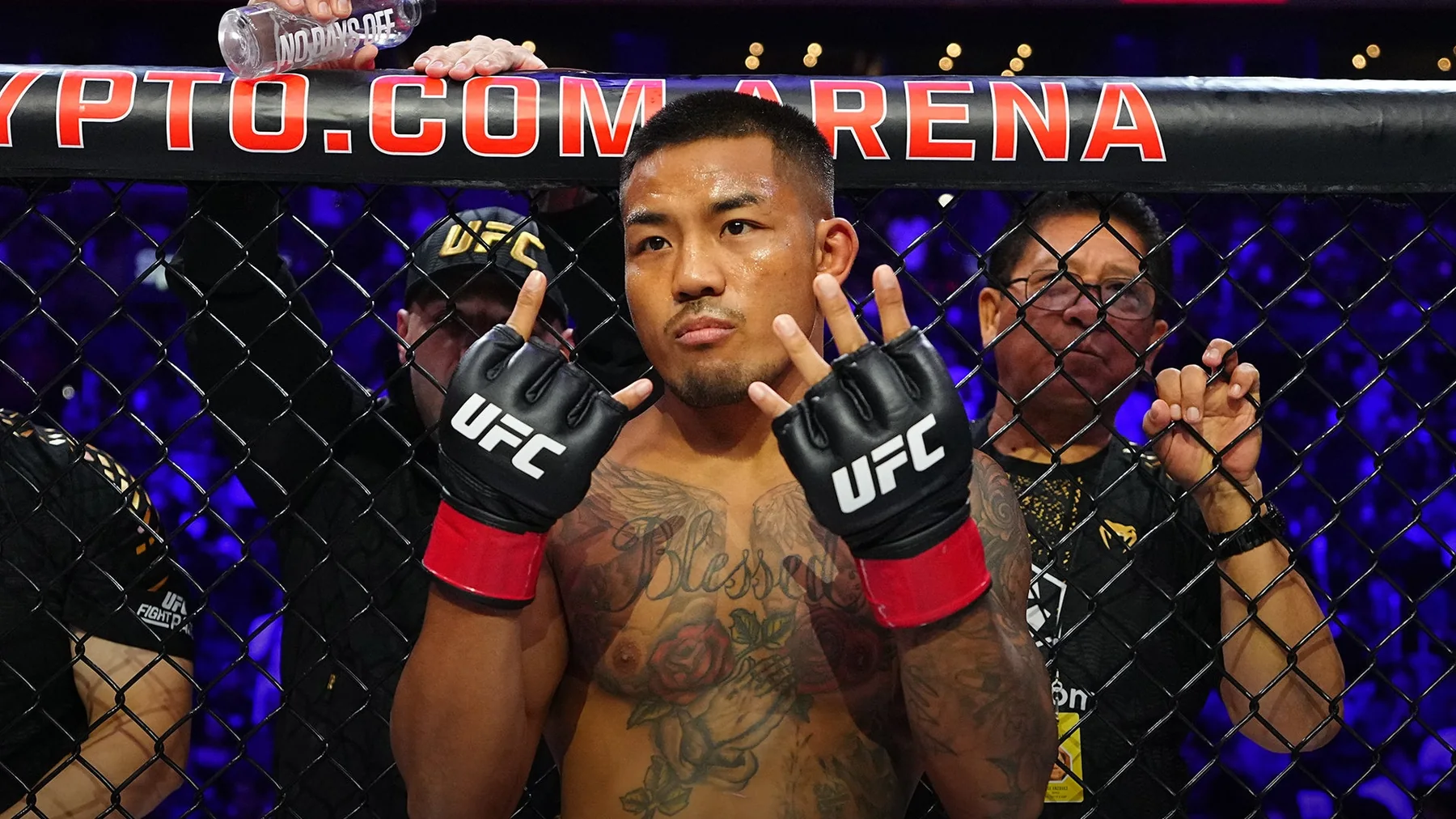
UFC 331 results at a glance: who won all 12 fights?
Joshua Van retained the UFC flyweight championship by unanimous decision over Alexandre Pantoja in their rematch at UFC 331 on Saturday, September 19, 2026. The three official totals were 49–46, 48–47 and 50–45 for Van. The event took place at Crypto.com Arena in Los Angeles and finished with 12 completed bouts: five on the main card, four prelims and three early prelims. The table below follows the UFC's bout segments and broadcast order; finish times are elapsed time in the stated round, while numbers in parentheses are the judges' final totals.
| Segment | Winner over opponent | Official result |
|---|---|---|
| Early Prelims | Joanderson Brito over Giga Chikadze | KO (strikes), Round 1, 1:57 |
| Early Prelims | Casey O'Neill over Eduarda Moura | Submission (armbar), Round 1, 3:20 |
| Early Prelims | Edmen Shahbazyan over Brunno Ferreira | Unanimous decision (29–28, 29–28, 30–27) |
| Prelims | Ryan Gandra over Ozzy Diaz | KO (strikes), Round 1, 2:04 |
| Prelims | Michael Aswell Jr. over JooSang Yoo | Split decision (28–29, 29–28, 29–28) |
| Prelims | Robelis Despaigne over Tai Tuivasa | Split decision (29–28, 28–29, 29–28) |
| Prelims | Marlon Vera over Charles Jourdain | TKO (strikes), Round 3, 2:02 |
| Main Card | Alonzo Menifield over Iwo Baraniewski | Split decision (28–29, 29–28, 29–28) |
| Main Card | Sean Sharaf over Gable Steveson | KO (left hand), Round 1, 0:12 |
| Main Card | Patricio Pitbull over Dooho Choi | KO (strikes), Round 1, 3:28 |
| Main Card | Arman Tsarukyan over Mauricio Ruffy | KO (elbows), Round 1, 4:56 |
| Main Card | Joshua Van over Alexandre Pantoja | Unanimous decision (49–46, 48–47, 50–45) |
These results come from the UFC's official scorecard list, cross-checked against its main-card and preliminary recaps. The biggest immediate stories are Van's full-distance defense against Pantoja, Sharaf's recorded 12-second knockout of Olympic wrestling champion Steveson, and a main card with three consecutive first-round knockouts. The split decisions lower on the card deserve their own attention, but they should not be flattened into a generic list of winners. Fans who want to compare expectations with outcomes can revisit the site's pre-fight UFC 331 preview; the completed event belongs in the latest UFC results record.
How did Joshua Van beat Alexandre Pantoja in the rematch?
Van won a competitive five-round rematch because he found cleaner and more sustained offense as the fight developed, particularly in the final round. The UFC's main-card account describes Pantoja's early success, Van's adjustments in the middle rounds and a fifth-round surge that included a knockdown. All three judges selected Van, but they did not agree on every round. That is the distinction behind the debate over one 50–45 score: disagreement about the margin is different from disagreement about the recorded winner.
The opening rounds and Pantoja's grappling threat
Pantoja started quickly, pressing the champion and finding success in both striking and grappling phases, according to the UFC recap. His history as a persistent grappler made the question of how long Van would be tied up a central one. Van's response in rounds two and three was to limit those extended entanglements and land the better strikes when exchanges opened. The official account does not make the first round a clean sweep for either athlete; it describes a competitive start and a champion gradually finding his offense.
The judges reflected that distinction. Derek Cleary awarded Pantoja round one, while Sal D'Amato and Ron McCarthy awarded it to Van. All three gave Van rounds two and three. A fan watching Pantoja's early urgency could score the opening differently without changing what the signed cards say. Nor should every takedown attempt be treated as automatically winning a round. The effect of a grappling sequence, the offense it creates, and the clean work on the feet matter more than a simple count of entries.
The fourth and fifth rounds that decided the fight
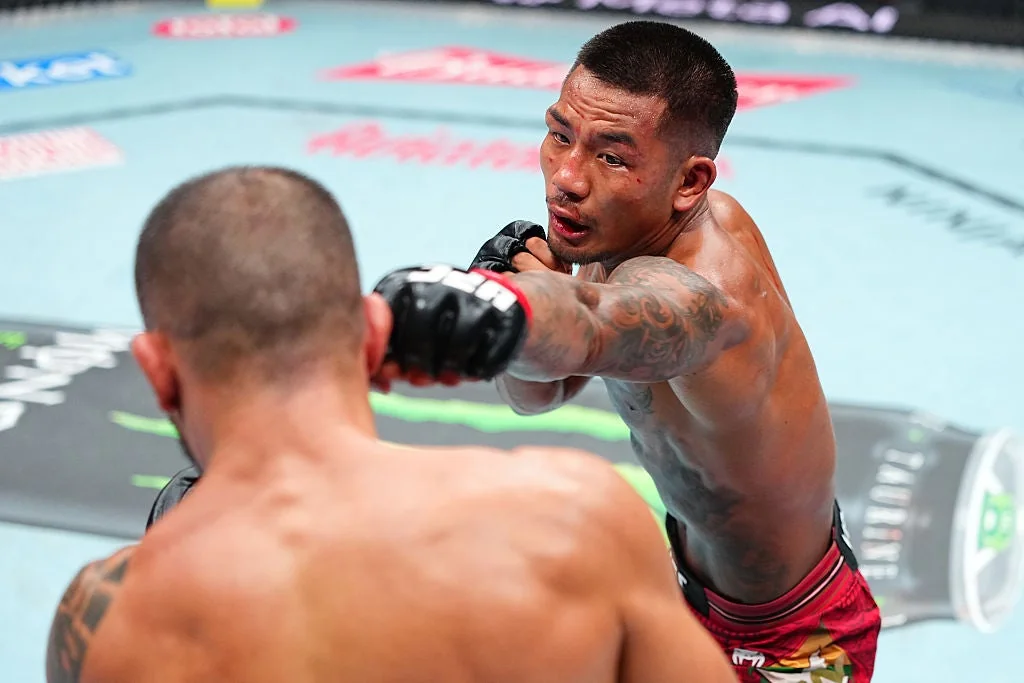
Round four is the sharpest point of disagreement in the actual scoring. Pantoja put Van on the canvas, but the UFC recap says he could do little with the position in terms of output or advancement. D'Amato and Cleary still saw enough for Pantoja to win the round 10–9. McCarthy gave it 10–9 to Van. The published card records those choices; it does not provide the judges' reasoning, so it would be wrong to invent why any one official preferred one fighter's effective work.
The fifth was clearer across the three cards. Van became the more active and effective striker, landing combinations, moving forward and dropping Pantoja as the round progressed. Every judge awarded Van the final five minutes 10–9. That knockdown and the accumulated late offense explain why the UFC account treats the close fight as ending with Van decisively pulling away. They do not turn the earlier disputed rounds into retrospectively obvious ones; MMA rounds are scored separately rather than by how strong the finish feels.
Why the cards read 50–45, 49–46 and 48–47
The published judge-by-judge card shows five 10–9 rounds on each sheet and no point deduction. Cleary gave Pantoja rounds one and four, producing 48–47 Van. D'Amato gave Pantoja only round four, producing 49–46 Van. McCarthy gave Van all five, producing 50–45 Van. The spread is entirely a difference over rounds one and four; all three judges agreed on rounds two, three and five.

That last card drew criticism. MMA Mania's analysis, for example, preferred Cleary's narrower margin and argued Pantoja deserved the first and fourth. That is an attributed editorial assessment, not an official correction. The ABC's scoring guidance prioritizes effective striking and grappling; aggression and cage control are fallback criteria when effective work is even. A takedown with little follow-up does not settle a close round by itself, nor does forward pressure erase clean counters. Fans can reasonably question McCarthy's margin while recognizing the documented unanimous decision for Van.
Which main-card finishes changed the night?
UFC 331's non-title main card moved from a close decision to three consecutive first-round knockouts, each with a different story. Sean Sharaf ended Gable Steveson's night almost immediately. Patricio Pitbull won a stand-up exchange with Dooho Choi, while Arman Tsarukyan turned a fence clinch against Mauricio Ruffy into a late-round elbow finish. Those sequences matter more than a simple count of stoppages: they explain what each winner actually solved, and what the losers never had time to show.
Sharaf's 12-second knockout of Steveson
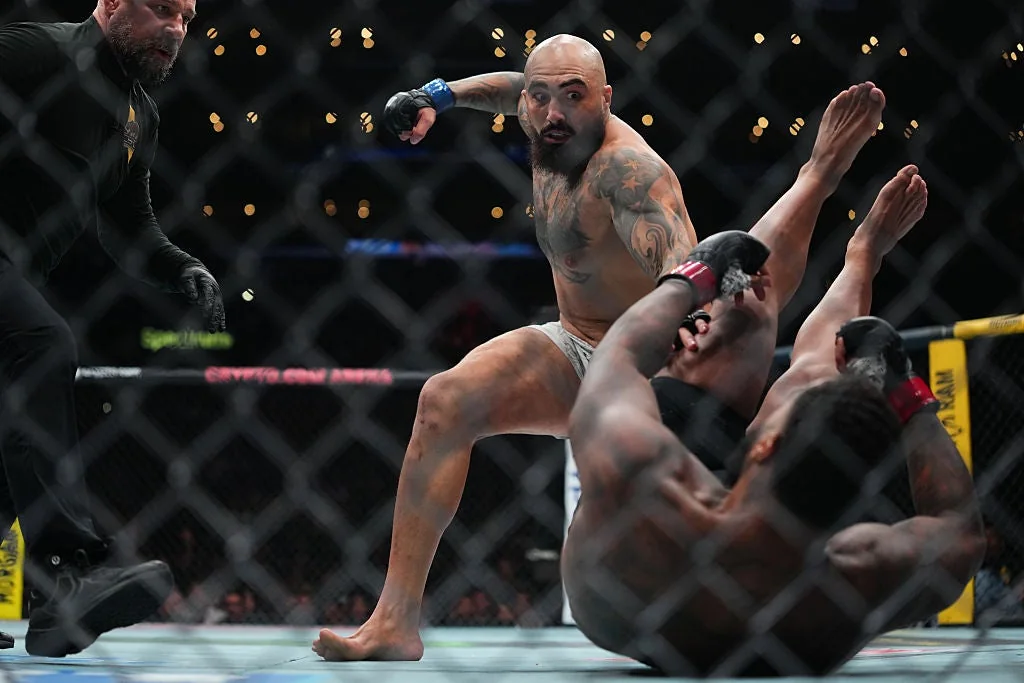
Sean Sharaf knocked out Gable Steveson with a left hand at 0:12 of round one. The UFC main-card recap says Sharaf ate a low kick as they met, then landed the left hand that ended the bout. The official highlight page also identifies it as a 12-second knockout. This was Sharaf's first UFC victory and the first professional loss for Steveson, the Olympic wrestling gold medalist whose arrival had generated considerable attention.
The result is startling because Steveson's wrestling credentials had framed much of the pre-fight discussion. The fight did not last long enough to become a sustained test of those skills. Sharaf won the exchange that actually happened, and he deserves full credit for its speed and precision. It would be a leap to claim this one exchange measures every future Steveson matchup or proves anything about an untested multi-round grappling contest. The lesson from this particular result is immediate MMA exposure: a decorated wrestler still has to survive the striking entry before using his preferred game.
Tsarukyan and Pitbull end their fights in round one
Tsarukyan's finish came just before the first-round horn, not at the opening bell. Ruffy landed a clean right hand early and defended the initial takedown work. Near the fence, Tsarukyan then found a pair of hard elbows from the clinch and knocked him out at 4:56. That sequence showed a way to punish Ruffy even when a takedown was not completed. It supports Tsarukyan's standing in the lightweight conversation, but an impressive contender win still is not an official title booking.
Pitbull's 3:28 knockout of Dooho Choi followed a different route. The two featherweights traded on the feet until a clean right hand disrupted Choi, and Pitbull followed with strikes to finish. UFC described it as the veteran's strongest performance since joining the promotion. Pitbull reportedly called for Jean Silva afterward; that callout is his preference, not a confirmed next fight. The result itself is firm: a first-round KO (strikes) over Choi, with the right hand as the key turning point in the UFC's account.
Menifield survives a split decision
Alonzo Menifield's result should not be lost behind the quick finishes. Iwo Baraniewski landed the more forceful early blows in the main-card opener, according to the UFC recap, but Menifield stayed in the exchanges and increased his pressure as the pace slowed. The judges split: one saw 28–29 for Baraniewski; two returned 29–28 for Menifield. That is a narrow decision over three rounds, not a sweep or a stoppage. Pressure can make late exchanges possible, but the scoring question is still who delivered the more effective work in each round. Menifield's ability to keep landing after a difficult start, rather than an imagined dominant performance from the opening minute, is the evidence his win supplies.
What happened on the prelims and early prelims?
Seven bouts happened before the UFC 331 main card, and several supplied more than a name on a result line. Marlon Vera found a badly needed stoppage, two decisions went to split scorecards, and the Early Prelims produced two first-round finishes with very different mechanics. The UFC's preliminary recap gives the fight sequences behind the numbers in the complete table above.
Prelims: Vera, Despaigne, Aswell and Gandra
Vera stopped Charles Jourdain by strikes at 2:02 of round three. Their first round was close: Jourdain threw more, while Vera landed the heavier individual blows. Vera then scored two knockdowns in the second and another in the third before the stoppage. The finish ended a four-fight skid for the former bantamweight title challenger, according to UFC coverage. It was a progression through the bout, not a sudden one-punch result divorced from the previous rounds.
Robelis Despaigne's heavyweight split decision over Tai Tuivasa went 29–28, 28–29, 29–28. Despaigne landed damaging shots early, but Tuivasa also got him down and kept him there late in round one. The second involved clinch and ground time, while Despaigne had the more convincing third in the UFC account. A different judge's 29–28 for Tuivasa shows why the winner must be reported as a split decision. It does not, by itself, tell readers which close exchange the dissenting official valued most.
Michael Aswell Jr. also won a split decision, 28–29, 29–28, 29–28, over JooSang Yoo. Aswell mixed targets and combinations early; Yoo increased pressure and spent late time on top, though the UFC recap says he offered little offense from that position. Ryan Gandra completed the preliminary lineup with a first-round KO of Ozzy Diaz at 2:04. Diaz's guard and forward pressure made Gandra wait for an opening, then the Brazilian swarmed until the referee stopped it. These were distinct outcomes: a close judgment about three rounds in one bout, and a sudden change of pace in the other.
Early Prelims: Brito, O'Neill and Shahbazyan
Joanderson Brito knocked out Giga Chikadze with strikes at 1:57 of round one. Chikadze had started with effective kicks, then slipped while attempting a head kick. Brito followed him down and landed the ground strikes that ended the fight. Casey O'Neill's win over Eduarda Moura was a reversal rather than an uninterrupted attack: she escaped a deep choke threat, elevated Moura, changed her hip position and secured an armbar in the first round. The UFC's written recap and scorecard list the finish at 3:20; its event result tile shows 3:22. This article uses the UFC's written result while making that two-second display difference explicit.
Edmen Shahbazyan beat Brunno Ferreira by unanimous decision, 29–28, 29–28, 30–27. UFC described Shahbazyan attacking Ferreira's lead leg and landing clean punches early, then using more defensive grappling as Ferreira closed distance later. The one 30–27 card should not be mistaken for a unanimous shutout; the other two judges gave Ferreira a round. Together, these Early Prelims show why a full-card result needs both exact official methods and enough context to tell a submission reversal, a slip-triggered knockout and a measured decision apart.
What do the UFC 331 results mean for the divisions?
Results change a fighter's case; they do not automatically create the next contract. UFC 331 supplied a particularly important distinction for Van, whose first title win over Pantoja had ended almost before their matchup could develop. It also strengthened Tsarukyan's lightweight argument and gave several other winners a reason to ask for a harder assignment. As of this article's September 28 review, the outcomes are confirmed; any new title defense or contender pairing still needs a separate UFC announcement.
Van's title reign after two defenses
The UFC's rematch announcement explains the unfinished business: at UFC 323, Pantoja suffered an elbow injury only 26 seconds into round one, and Van left with the belt. Van then stopped Tatsuro Taira in round five at UFC 328. The UFC 331 decision over Pantoja was his second successful defense and, unlike their first meeting, a full five-round test against the former champion who had defended the belt four times. The rematch answered a narrow but important question: Van could beat Pantoja over championship distance, not merely benefit from an injury-shortened bout.
The UFC awarded Van–Pantoja Fight of the Night. That recognition fits the shifts between grappling and boxing described in the official recap, yet it does not erase debate about individual rounds. Pantoja's previous reign remains part of the division's standard; Van's completed win now sits beside it as stronger evidence of the current champion's level. UFC editorial coverage mentions other flyweight contenders, including Manel Kape, but that discussion is not a signed next defense. Fans should follow the confirmed UFC schedule for an actual booking.
Lightweight, featherweight and heavyweight implications
Tsarukyan's sixth consecutive win and emphatic KO over Ruffy make his lightweight title case difficult to ignore. The UFC's post-fight coverage argues for him as a challenger, but Dana White's September 21 comments indicated champion Justin Gaethje's plans were not yet known. Merit and an announced fight are different things. In featherweight, Pitbull's Choi finish gives weight to his callout of Jean Silva; it does not make that bout official. In heavyweight, Sharaf's first UFC win and Steveson's first professional defeat sharply change how their next steps will be discussed, while one 12-second exchange cannot establish either man's long-term ceiling. The upcoming events list is where those possibilities become confirmed fights, if the UFC books them.
Where can fans verify scorecards and watch replays?
Start with the UFC's signed official scorecards if your question is why Van won 50–45 on one card and 48–47 on another. The images name each judge and show the score for every round. Add the UFC's main-card report and preliminary report when you need the winner, method, finish time and account of how a fight unfolded. A fan's interpretation of a close round can be useful discussion, but the signed cards are the record of what the judges actually awarded.
For the footage, Paramount+ says the full UFC 331 card is available on demand to subscribers on either its Essential or Premium plan, with no extra pay-per-view charge. Its UFC show page and episode guide are the stated routes to individual fight replays. That guidance is for its US service; viewers elsewhere should check their local rights holder and available catalog before assuming the same access. UFC's written reports also point readers toward UFC FIGHT PASS to relive action, subject to the service's local availability.
Use replay footage to revisit disputed exchanges, then compare your own reading with the official round grids rather than treating a social-media screenshot as a new verdict. For later confirmed matchups, return to the UFC schedule; for completed events, use the site's results archive.
Fight talk
Comments