UFC Heavyweight Rankings 2026 Snapshot
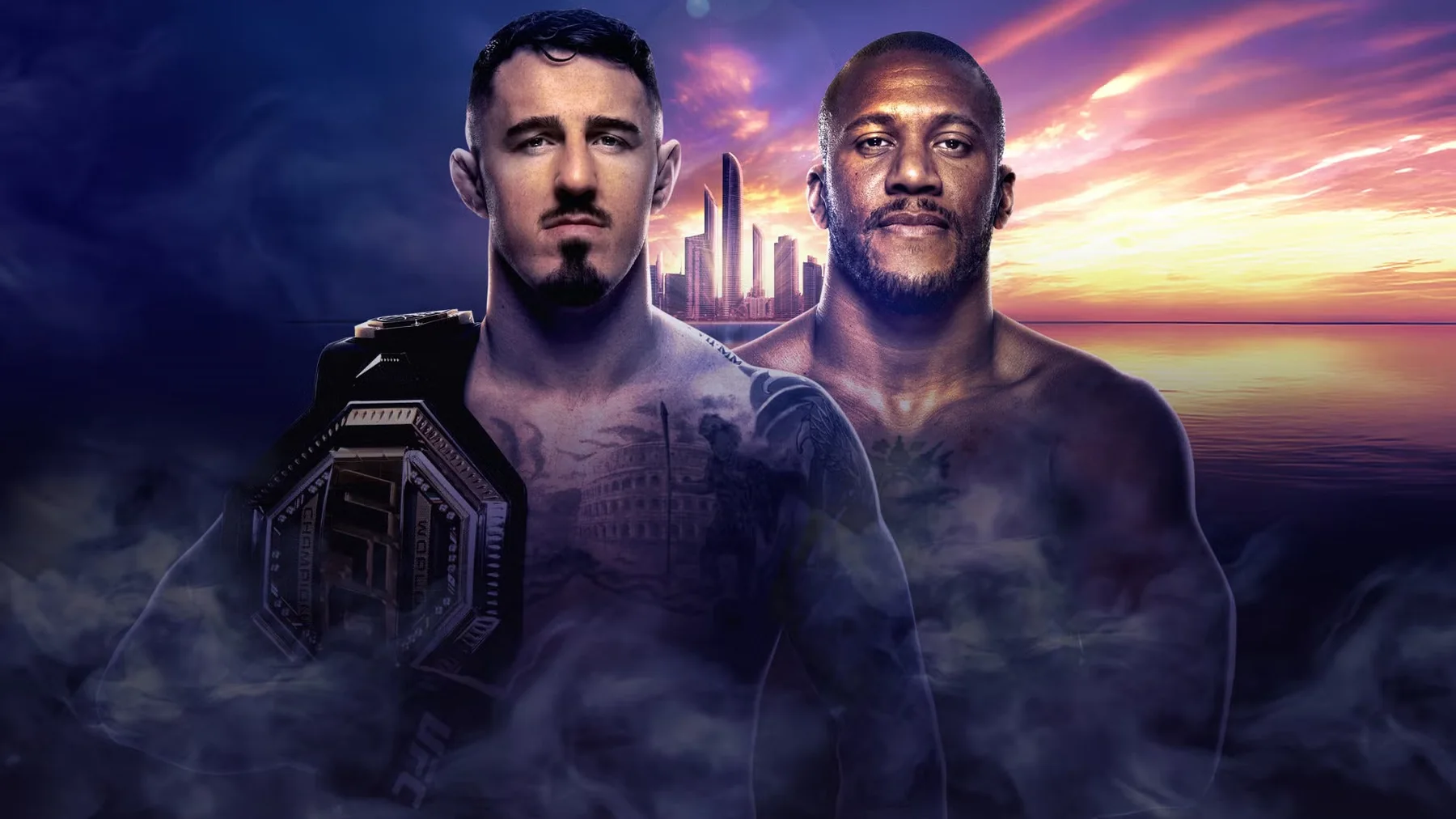
Tom Aspinall is the UFC heavyweight champion as of August 29, 2026, and Ciryl Gane is the No. 1-ranked contender on the UFC media-panel list. Alexander Volkov is No. 2 and Sergei Pavlovich No. 3. UFC displays the champion above the numbered Top 15, so “No. 1 heavyweight” needs context: it can mean the leading challenger, not the belt holder.
This article follows the media view captured on that date. UFC also publishes a Meta rankings view after announcing its performance-data model in June 2026. Fans can encounter two UFC-branded orders without either being a transcription error. Our UFC rankings explainer covers the methods; this guide interprets the heavyweight competition.
Champion
Tom Aspinall
No. 1 contender
Ciryl Gane
No. 2 contender
Alexander Volkov
Standard limit
265 pounds
Heavyweight is unusually sensitive to a single exchange because every ranked fighter carries stopping power. That does not mean analysis should collapse into “anything can happen.” Early speed, entry safety, clinch control, takedown defense, recovery and five-round pacing remain repeatable skills. A decisive finish can transform a contender’s leverage, but opponent quality and the route to victory still matter.
The standard limit is 265 pounds, creating substantial variation in frame and movement. Our weight-class and weigh-in guide explains the championship limit and non-title allowance. A lighter, faster heavyweight and a larger clinch specialist can occupy adjacent ranks while presenting opposite problems.
Finally, a ranking is not an announcement. Medical status, recovery, timing and the results of other contenders can change the next booking. We identify confirmed list positions as facts and label all title-path recommendations as editorial analysis.
Complete Heavyweight Top 15
The following order is the UFC media-panel heavyweight list captured August 29, 2026. Descriptions in the third column are concise editorial reads, not extra official rankings.
| Rank | Fighter | Primary question |
|---|---|---|
| Champion | Tom Aspinall | Can challengers survive his early speed? |
| 1 | Ciryl Gane | Range and footwork |
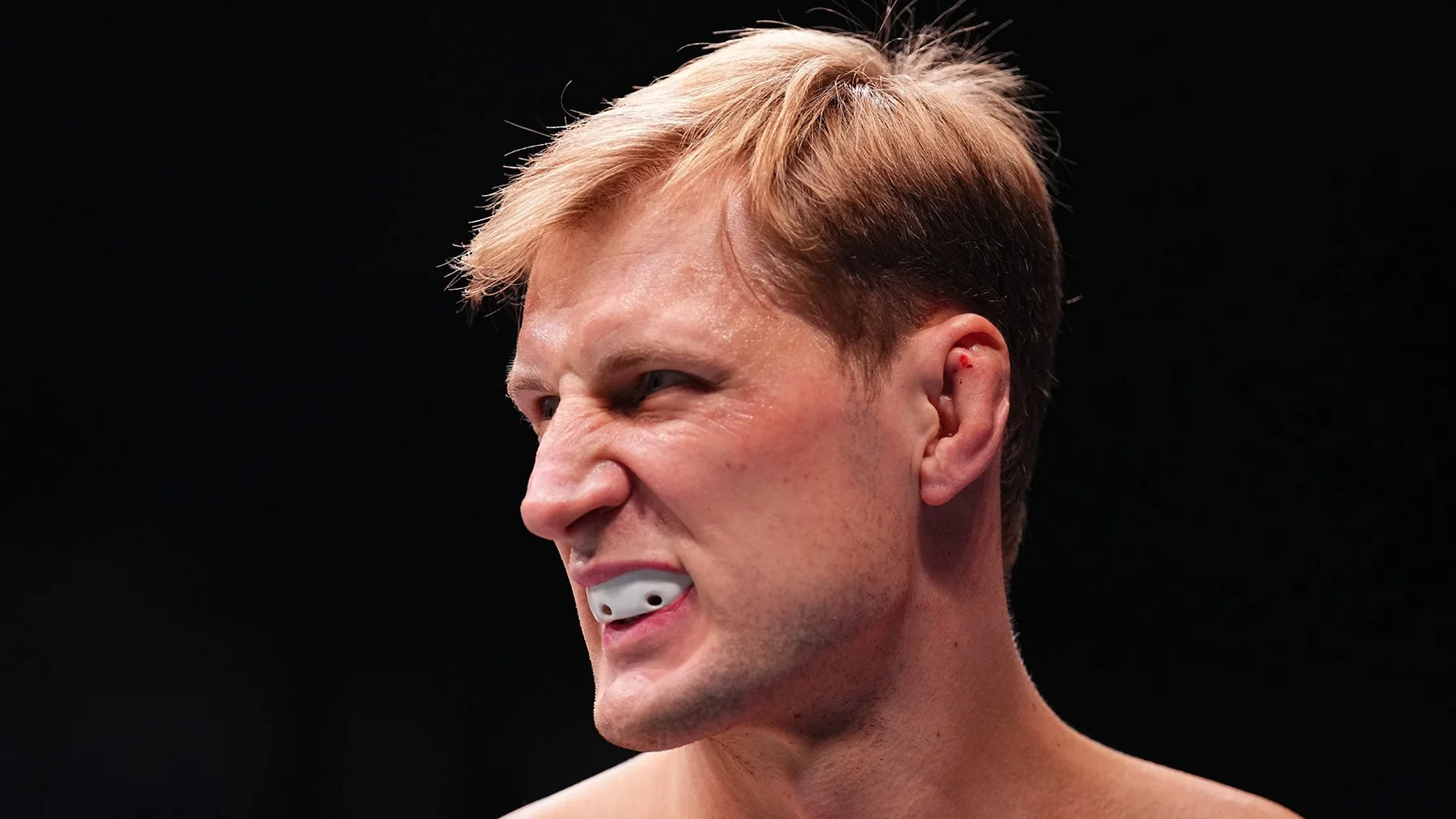
| 2 | Alexander Volkov | Length, clinch and accumulated offense |
| 3 | Sergei Pavlovich | Early boxing danger |
| 4 | Josh Hokit | Athletic wrestling pressure |
| 5 | Waldo Cortes Acosta | Durability and combination volume |
| 6 | Curtis Blaydes | Veteran wrestling benchmark |
| 7 | Rizvan Kuniev | Ranked consolidation |
| 8 | Vitor Petrino | Power after division transition |
| 9 | Serghei Spivac | Top control and submissions |
| 10 | Ante Delija | Position protection |
| 11 | Valter Walker | Emerging grappling threat |
| 12 | Derrick Lewis | Fight-changing power |
| 13 | Aleksandar Rakić | Heavyweight adaptation |
| 14 | Tyrell Fortune | Top-15 foothold |
| 15 | Marcin Tybura | Veteran all-phase test |
A useful unofficial division is top-five leverage, Nos. 6–10 consolidation and Nos. 11–15 foothold defense. The first group can build a title case quickly. The middle group needs a result that answers an elite question. The lower group is still highly dangerous: one clean heavyweight punch or one successful grappling sequence can overturn expectations, even when the ranking gap is large.
Do not turn the table into a prediction algorithm. A lower-ranked wrestler can be a harder matchup for a striker than a higher-ranked boxer, and a veteran’s experience may matter more over three rounds than a small numerical difference. Use the fighter directory to inspect records, then judge the actual pairing rather than the rank alone.
Tom Aspinall and the Championship Equation
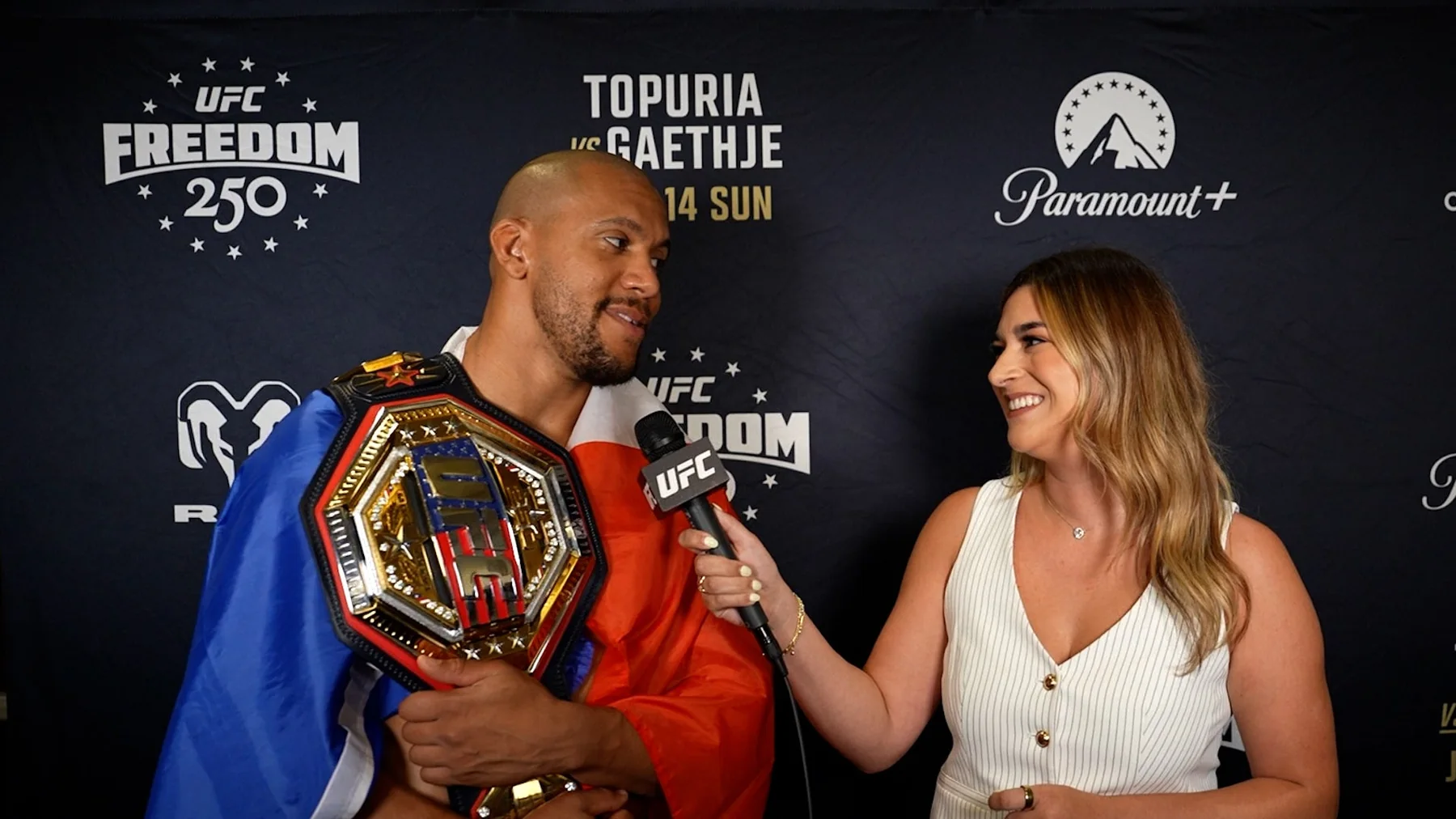
The clean sporting direction is Tom Aspinall versus Ciryl Gane, because Aspinall holds the undisputed championship and Gane won the interim title at UFC Freedom 250. Gane stopped Alex Pereira by strikes at 1:27 of Round 2 on June 14, 2026. He also occupies No. 1 on the captured media ranking, aligning competitive position with interim status.
That alignment makes the championship case clearer than a normal No. 1 debate, but it still does not create an event date. A unification bout is confirmed only when UFC publishes the fight on an official event page. Recovery, medical clearance and scheduling remain real constraints. Our analysis concerns why the pairing makes sense and what it would test, not a claim that a contract or date exists.
The central tactical question: who controls the first layer?
Aspinall’s early speed is unusual for the division. He can close distance, land combinations and change levels before a larger opponent settles into rhythm. Gane’s best work depends on managing range, changing direction and making a heavyweight reset after missed attacks. If Aspinall consistently reaches the pocket or hips, Gane must defend multiple phases. If Gane keeps the champion turning and reaching, he can stretch the bout into a more measured contest.
The clinch boundary matters as much as open space. A failed entry that becomes body contact is not necessarily failure for Aspinall; it can initiate pressure or a takedown chain. For Gane, separating cleanly without absorbing short offense would preserve the kicking range where his movement has the most value.
Five-round pacing adds another layer. Heavyweight fighters cannot spend energy as freely as lighter divisions, and early explosiveness has a cost. Aspinall would want decisive entries rather than empty acceleration. Gane would want productive movement rather than circling that concedes optics and cage position. Neither “faster” nor “more technical” is a complete forecast without considering who forces the exchange.
Volkov and Pavlovich remain relevant because a delay or different result elsewhere can redirect the division. Volkov’s length and accumulated offense make him a demanding veteran option; Pavlovich’s early power compresses the margin for error. Still, interim champion plus No. 1 rank gives Gane the strongest documented position today.
Confirm the Freedom 250 outcome on the event page, and use the UFC schedule for any eventual unification announcement.
The Top Five’s Matchup Problems
The heavyweight top five is best understood as five preparation problems, not a straight line from best to worst. Every contender can force a different kind of failure, and a fighter equipped for one may be vulnerable to another.
Ciryl Gane: catch a mobile heavyweight without chasing
Gane uses footwork and kicks to make opponents reset. Charging after him can create long recoveries and expose the body or lead leg. The useful answer is controlled cage-cutting: close exits, keep a stance ready to defend counters, and turn range pressure into clinch or takedown opportunities.
Alexander Volkov: solve length for more than one round
Volkov’s size is not just a tale-of-the-tape fact. It shapes jab range, clinch frames and the effort required to finish takedowns. An opponent must enter safely and avoid resting in positions where the larger fighter can lean, strike and accumulate control without overcommitting.
Sergei Pavlovich: make early danger expensive
Pavlovich compresses decision time. A clean defensive plan needs more than backing straight toward the fence. Angled exits, level-change threats and disciplined counters can interrupt his boxing rhythm; reckless trading gives him the exact fight he wants.
Josh Hokit: defend the second and third wrestling action
Hokit’s No. 4 position follows a rise that included a second-round stoppage of Derrick Lewis at Freedom 250. Athletic wrestling is hardest to solve when an opponent defends the first attempt but relaxes during the transition. Underhooks, fence position and safe stand-ups become as important as the initial sprawl.
Waldo Cortes Acosta: stay responsible during long exchanges
Cortes Acosta can force opponents to work beyond the first explosive minute. The challenge is sustaining output without allowing combinations to become unstructured. At heavyweight, fatigue magnifies defensive mistakes, so winning early exchanges does not settle the later fight.
Statistics help only when categories remain precise. A knockdown is not merely a significant strike, a takedown does not tell us how long control lasted, and control does not automatically outweigh damaging offense under the scoring criteria. Numbers identify patterns; video and round context explain them.
This is also why “most knockouts” is a poor standalone contender argument. The opponent’s level, the setup, defensive exposure and performance beyond the finish all matter. A three-round decision that demonstrates repeatable takedown defense can answer a bigger championship question than a quick stoppage against an opponent who offered the preferred matchup.
Follow individual histories through the fighter directory and verify methods on the results page. Our profiles explain what to watch, not who UFC has decided to book.
Heavyweight Risers and Veteran Tests
The next heavyweight riser will be the fighter who preserves his best skill after a veteran disrupts the first plan. Nos. 6–15 contain exactly those tests: Curtis Blaydes and Serghei Spivac can force repeated grappling decisions; Derrick Lewis can erase otherwise sound work with power; Marcin Tybura can expose impatience; and newer ranked names must prove they can win after the opening burst.
Blaydes remains a wrestling benchmark
A prospect who looks explosive against open-space strikers may look different when Blaydes changes levels behind boxing and forces work along the fence. The evaluation is not only whether the prospect stops one shot. It is whether he can return to offense after defending, avoid giving up mat returns and maintain energy across repeated sequences.
Petrino and Rakić add division-transition questions
Vitor Petrino at No. 8 and Aleksandar Rakić at No. 13 bring light-heavyweight context into a larger division. Added size can change durability and power, but it can also alter pace. The useful test is not a visual comparison at weigh-ins; it is whether footwork, defensive reactions and combinations remain sharp against true heavyweight mass.
Walker and Fortune need consolidation
Valter Walker at No. 11 and Tyrell Fortune at No. 14 have a ranked foothold, not a title argument. Their next meaningful step is a win that demonstrates a repeatable advantage against someone who can punish their preferred phase. That might mean maintaining top position without stalling, creating damage from control or showing safe entries against an experienced counter striker.
Hokit’s rise offers a concrete example of leverage gained through a veteran test: he stopped Lewis at 4:09 of Round 2 at Freedom 250 and appears No. 4 in the captured table. That does not mean every prospect needs the same opponent or finish. It shows how a recognizable, relevant win can answer questions and produce rapid movement.
Our dark horses are therefore not simply the youngest or hardest punchers. Look for the fighter who can blend offense with recovery, defend bad positions and make adjustments without a corner needing to rebuild the plan. Confirm results on the Freedom 250 page and explore records through the fighter directory.
How to Track the Next Rankings Update
Update the heavyweight picture only after checking three separate records: the official fight card, the official result and the published ranking table. A contender’s interview may reveal his preference, but it does not establish a bout. A scheduled fight creates stakes, but it does not move a ranking on result alone until the bout happens and the list is updated.
- Confirm the booking. Look for both fighters on an official UFC event page or the current schedule. Treat callouts and unsourced posters as unconfirmed.
- Check weigh-in status. A missed limit, cancellation or opponent replacement changes the competitive meaning before the Octagon door closes.
- Record winner, method, round and time. A finish, decision and no contest do not carry the same information. Use the UFC results hub rather than a headline alone.
- Name the ranking system. Compare the media-panel table with the Meta table instead of merging them into an invented consensus.
- Separate movement from matchmaking. Even a new No. 1 position does not reveal a signed title date.
The biggest immediate watch point is the undisputed/interim relationship between Aspinall and Gane. After that, Volkov and Pavlovich hold the strongest numbered positions, while Hokit possesses fresh upward momentum. Those are facts of the current table and recent result. Which athlete “deserves” the next alternative opportunity is an editorial judgment that depends on timing.
Watch divisional movement too. Heavyweights arriving from 205 pounds may look transformed by added mass, but rank should respond to performance against heavyweight opposition, not appearance. Conversely, inactivity can open places without proving that every fighter below improved. A list is an ordering of the current competitive record, not a laboratory measurement of permanent ability.
Snapshot standard: champion and all ranks on this page were checked August 29, 2026. Our matchup descriptions explain likely pressure points; they do not reproduce private medical information, unannounced contracts or rumors.
Return after any Top 15 heavyweight competes. One exchange may decide the bout, but the most durable analysis asks what created that exchange, whether the skill can repeat against a different opponent and how the published UFC order actually responds.
Fight talk
Comments