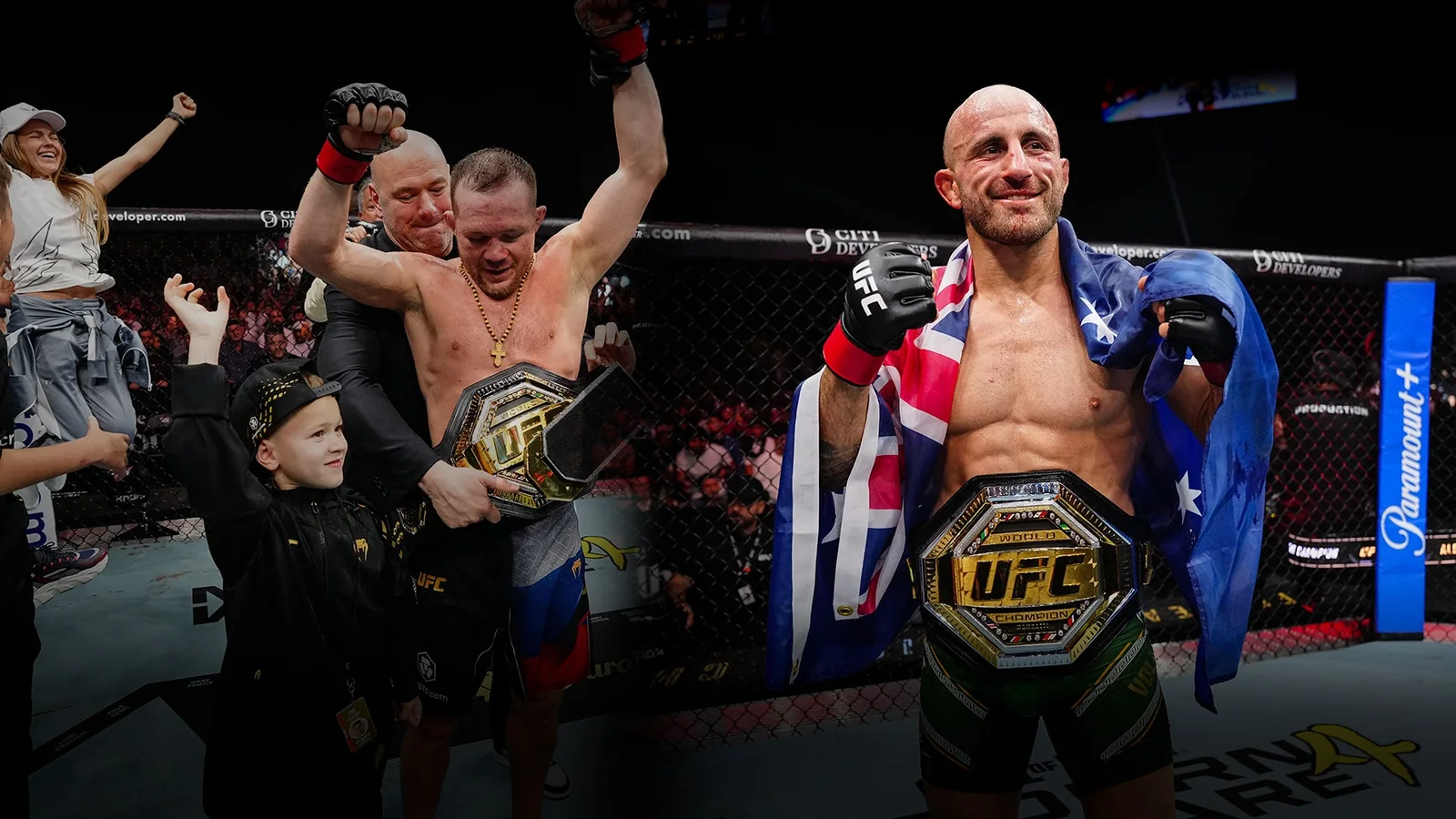
Yan has a title-defense debate, not an announced opponent
Petr Yan's next opponent had not been publicly confirmed in the reporting and official fighter listing reviewed on October 29, 2026. Song Yadong and Sean O'Malley have credible reasons to enter the discussion. Neither a commentator raising Song's name nor O'Malley declaring his own confidence establishes an announced title fight, event date or venue.
Yan retained the bantamweight championship against Merab Dvalishvili at UFC 333 on October 24. His official UFC history records the five-round unanimous decision and identifies him as the title holder. The next-fight question begins with that completed defense; it should not be answered by recycling a preview of the trilogy or treating a post-fight suggestion as a new contract.
MMA Fighting's October 28 report makes the distinction explicit. It presents O'Malley's belief that he will get the fight while noting that UFC had not made its next-matchup decision public. The certainty belongs to the fighter making his case, rather than to an announcement from the promotion.
There are two useful sporting arguments to compare. Song arrives with the impact of beating Umar Nurmagomedov and a chance to show how much has changed since facing Yan. O'Malley brings wins over both men in the debate and the appeal of revisiting his own close contest with the champion. Ranking position, recent form and earlier head-to-head results can inform a choice without all pointing toward the same conclusion.
The timing of the discussion also matters. This is a champion fresh off a completed defense, while supporters are already considering the next test. That gap between an exciting idea and a confirmed event is normal, but it requires clear wording. A hypothetical matchup can be analyzed in depth before there is anything viewers can reliably put on a calendar.
Our bantamweight contender guide supplies the division's wider context. Here the narrower task is to assess these two arguments fairly, explain what their earlier meetings do and do not establish, and identify the evidence that would turn either candidate into Yan's scheduled opponent.
Song's case rests on his latest competitive step
Song's strongest argument is the work he has completed since losing to O'Malley in January. He submitted Deiveson Figueiredo with a second-round guillotine in May, then knocked out Umar Nurmagomedov at 1:48 of Round 2 in Shanghai on August 29. These are fresh results against recognizable bantamweight opposition, rather than a claim based only on being visible during the UFC 333 broadcast.
UFC's Shanghai event record confirms the Nurmagomedov result. The significance for this debate is the opponent as well as the finish. Song had an opportunity to improve his place in a crowded division and supplied a decisive outcome. Our Shanghai results analysis examines that card in detail; here it is the competitive foundation for considering another championship-level assignment.
A new result can change an old matchup
Having lost to Yan and O'Malley does not mean Song must remain permanently behind them in every future discussion. Fighters develop, opponents change and new results create new information. The important question is whether the intervening work supplies a convincing reason to revisit an earlier matchup. Two different finishing methods against Figueiredo and Nurmagomedov give his supporters something concrete to discuss.
That should still be framed carefully. A knockout against one opponent does not prove that every wrestling exchange against another will be solved. A guillotine finish does not mean a fighter has become equally dominant in every grappling position. These results demonstrate successful solutions in specific fights. A title challenge would test whether enough of those solutions carry over against Yan across a different set of exchanges.
Yan himself has acknowledged the improvement argument. In post-UFC 333 comments reported by MMA Mania, he assessed Song as more well rounded while leaving the opponent decision to UFC. The champion's assessment matters as a view from someone who has fought him. It is not an objective measurement that settles the comparison with O'Malley.
The fair case for Song is therefore forward looking: his latest wins may justify finding out whether the 2024 result still describes the matchup. The objection is also concrete: he lost to another leading candidate this year. Both pieces belong in the assessment. Ignoring either one turns a substantive contender debate into a preference presented as certainty.
O'Malley brings recent wins and unfinished business
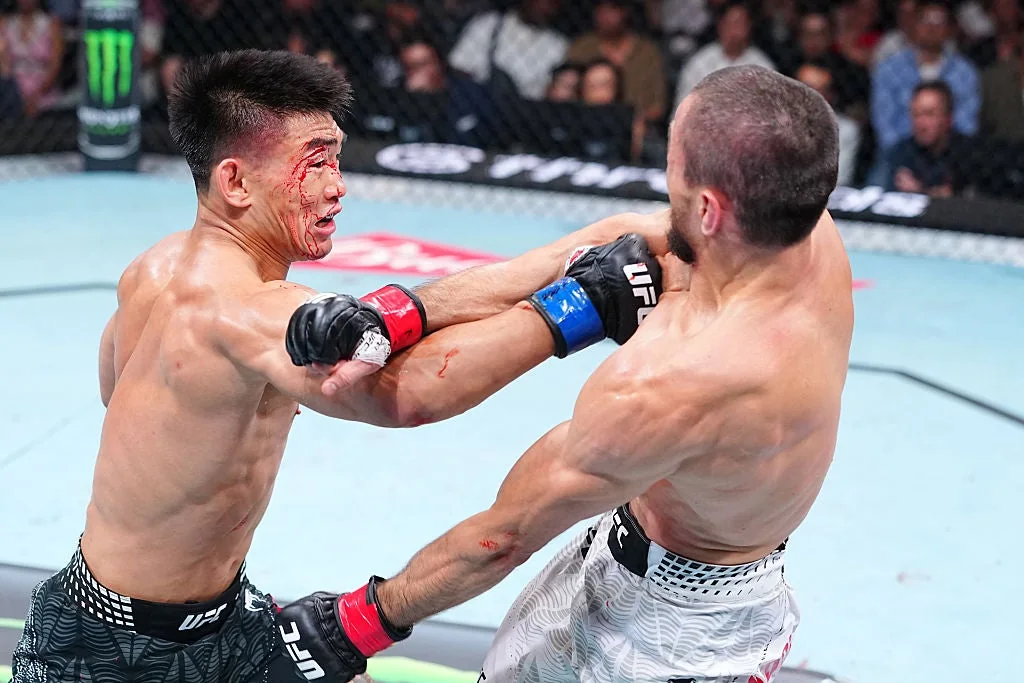
O'Malley's argument is more substantial than recognition or the memory of his championship reign. He beat Song by unanimous decision at UFC 324 on January 24, then knocked out Aiemann Zahabi at 4:02 of Round 2 at UFC Freedom 250 in June. His official UFC record confirms both results. A discussion that credits Song's response to their meeting should also preserve who won that meeting.
For supporters comparing the two candidates directly, that is powerful evidence. O'Malley has a recent win over the other leading candidate and a previous win over the current champion. The strength of the argument does not depend on pretending either victory guarantees a future result. It rests on the actual competitive work that makes another title opportunity plausible.
His losses to Dvalishvili also belong in the background. He lost the championship by decision in September 2024 and lost their rematch by submission in June 2025. Those defeats cannot be erased by two subsequent wins, but they should not be treated as proof that Yan presents an identical matchup. Opponents pose different problems. A contender assessment needs both the recent recovery and the harder results that made recovery necessary.
His confidence is a campaign for the fight
O'Malley told Daniel Cormier that he expected the Yan rematch and did not believe he needed to argue aggressively for it. MMA Fighting reported those comments on October 28. They convey his confidence and his view of the sporting case. They do not tell readers that bout agreements have been completed.
His expectation of a major commercial event is likewise an expectation. A recognizable former champion facing someone he already beat creates an understandable promotional story. Describing that appeal is reasonable; announcing future audience records or revenue as established facts would require evidence that does not yet exist.
Technically, the attraction is also specific. O'Malley asks opponents to solve distance and striking decisions over sustained exchanges, while Yan has considerable experience adapting across championship rounds. Their earlier bout provided a competitive comparison; subsequent careers have added new information. For a rematch to answer the remaining question, both would have to perform again under the conditions of a new fight. The old result is the starting evidence, not the final answer.
Their earlier meetings answer different questions
Either leading candidate would be a rematch for Yan. That is easily overlooked when the discussion frames Song as the fresh option and O'Malley as the familiar rival. What differs is the previous result, the time elapsed and the evidence each fighter has supplied since. A fair comparison begins with those details rather than the label “rematch” alone.
Yan already beat Song over three rounds
At UFC 299 on March 9, 2024, Yan won unanimously, with all three judges returning 29–28 scores. The official UFC result establishes a clear winner under the decision, while the numerical margin should discourage describing it as three rounds of effortless dominance without reviewing the action.
The result is a real obstacle to Song's case, but not an automatic prohibition on meeting again. The question is whether the intervening performances justify another test. His supporters point to more recent finishes; critics point to the direct evidence from Miami and the loss to O'Malley. Neither argument becomes stronger by omitting the other.
O'Malley beat Yan, but a title rematch would be longer
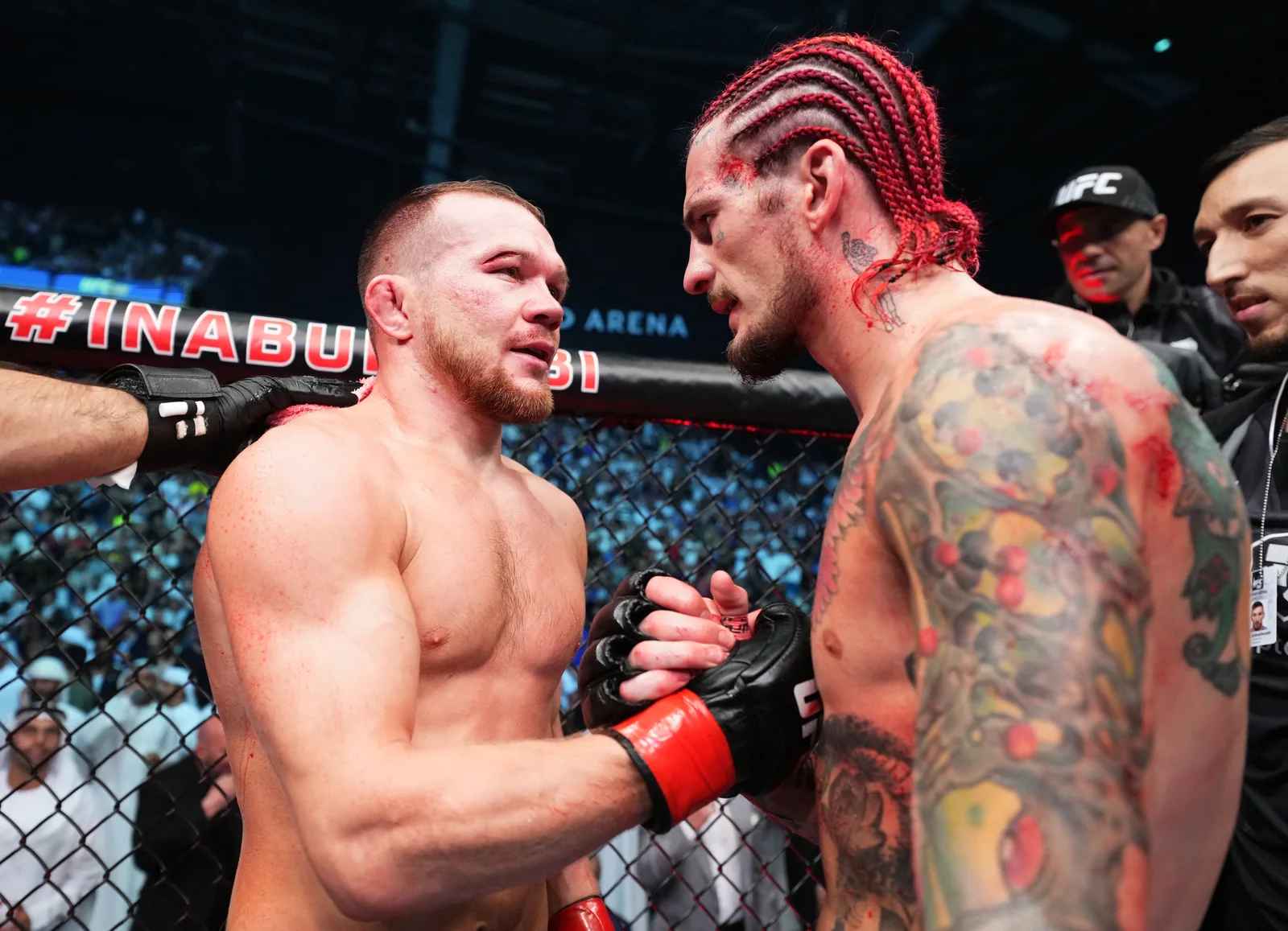
At UFC 280 on October 22, 2022, O'Malley won a split decision: two 29–28 cards favored him and one favored Yan. UFC's official results preserve that outcome. Disagreement among viewers and media is part of the contest's history; it does not replace the recorded winner or establish misconduct by the judges.
The format matters for a future championship meeting. Their first bout was scheduled for three rounds. A UFC title fight would be scheduled for five, changing the possible demands on pace, adjustments and energy management. That does not mean two imagined extra rounds can be added to the old scorecards to prove which fighter would have won. It means a new contest would ask a longer question.
Yan has substantial championship-round experience; O'Malley has also completed five rounds in title competition. Their records therefore offer actual evidence about operating over that distance, rather than requiring an assumption that either man is incapable of it. The uncertain part is how they would adapt to one another now.
Head-to-head results deserve weight because they involve the exact opponents being compared. They deserve limits because fighters and circumstances change. Using them properly means keeping the official outcomes intact, identifying the differences in a proposed return meeting and allowing the next fight to supply new evidence. It does not mean declaring an old result irrelevant or treating it as a permanent forecast.
Rankings and broadcast attention do not book a title fight
Even the phrase “the higher-ranked contender” needs qualification in this debate. On October 29, UFC's rankings page displayed O'Malley above Song in its “All Rankings” list, while the separate “All Meta Rankings” list placed Song above O'Malley. Both showed Dvalishvili first among the non-champions. A bare ranking number therefore cannot settle which candidate has the stronger case without identifying the list and date.
The disagreement is useful context, not proof that either fighter has secretly received the next assignment. Rankings express an ordering of competitive standing under the system producing them. A bout announcement identifies an actual contest. Those are different pieces of information, and one cannot be substituted for the other simply because the title picture feels ready for a decision.
Our guide to UFC's ranking systems explains the wider distinction. For this matchup, the practical point is that the candidate comparison should include the underlying wins and losses. Song's recent finishes and O'Malley's head-to-head victory remain relevant regardless of which number a broadcast chooses to display.
Broadcast attention has a similarly limited meaning. Cormier asking Yan about Song makes that possibility visible to a large audience. It can reveal a storyline the broadcast considers worth discussing. It does not demonstrate that the interviewer has signed a matchup on the promotion's behalf. Yan's own post-fight response, as reported by MMA Mania, left the selection with UFC.
O'Malley's camp has questioned the emphasis on Song, and supporters can debate whether that emphasis was fair. A useful discussion stays with the observable choice of question and the competitive arguments. Speculating about a commentator's private dislike or a secret instruction would require separate evidence; repeating an allegation does not provide it.
For fight fans, this offers a practical way to read the next wave of headlines. Ask whether the story reports a ranking, an athlete's request, a commentator's suggestion, a sourced negotiation or an actual announcement. Each can be newsworthy. They describe different stages, however, and only the later stages begin to answer when and where the proposed title fight will happen.
What would turn either candidate into Yan's next fight?
The next decisive information would name the opponent and connect the matchup to an event. A clear UFC announcement or attributable confirmation from the parties would move the story beyond candidate analysis. The date and location would then make planning possible. Until those details exist, attaching the fight to a convenient numbered card would be guesswork.
Availability also needs evidence. A champion coming off a fight, a contender wanting an opportunity and a promotion considering an event do not automatically share the same workable window. No injury, medical restriction or negotiation deadline should be invented to explain the absence of an announcement. Those factors can matter generally without being established in this particular case.
From a sporting perspective, the choice would determine which question gets tested first. A Song rematch would examine whether his recent finishing success translates into a more effective approach against someone who already beat him over three rounds. The relevant improvement would have to show up in actual exchanges: entering range, exiting safely and connecting the phases that give him opportunities.
An O'Malley rematch would revisit an official loss on Yan's record under championship conditions. The appeal is the unresolved competitive comparison after a close first meeting, rather than a promise to correct a verdict that still stands. Over five scheduled rounds, adjustments between phases and the ability to sustain useful offense would become part of a longer test.
Both are defensible matchups. O'Malley's direct win over Song gives him the cleaner comparative argument between these two contenders; Song's subsequent victories give the promotion a meaningful improvement case to consider. That is an editorial assessment of the evidence, not a prediction about the decision UFC will make. A preference can be stated without assigning imaginary probabilities or claiming insider knowledge.
For now, follow the confirmed UFC schedule for actual dates and treat the next-opponent discussion as a dated snapshot. Yan has defended his title, both candidates have supplied relevant results and neither has an announced assignment against him in the record reviewed here. The best next step is a real matchup that lets one of those arguments be tested, rather than another confident headline that skips the announcement.
Fight talk
Comments