UFC Middleweight Rankings 2026 Snapshot
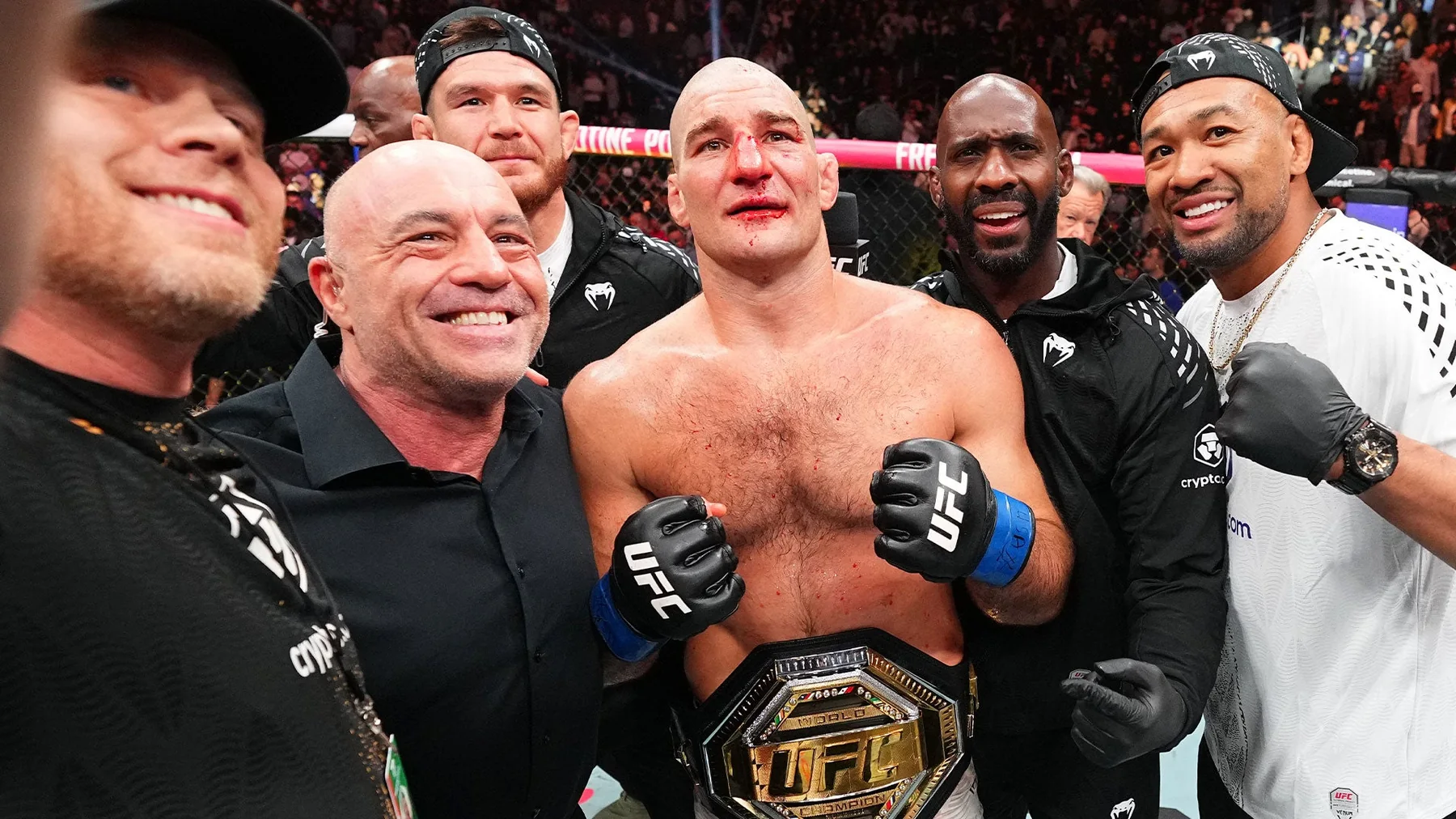
Sean Strickland is the UFC middleweight champion as of August 29, 2026, with Khamzat Chimaev ranked No. 1 on UFC.com’s media-panel list. Dricus Du Plessis is No. 2 and Nassourdine Imavov No. 3. Champion and No. 1 are separate positions: Strickland owns the belt, while Chimaev leads the numbered challengers.
This timestamp and system label are essential because UFC also presents Meta rankings following the June 2026 launch of its data-driven model. The two views may order contenders differently. Our ranking-system guide explains the distinction; this article answers who is where and what the order means tactically.
Champion
Sean Strickland
No. 1
Khamzat Chimaev
No. 2
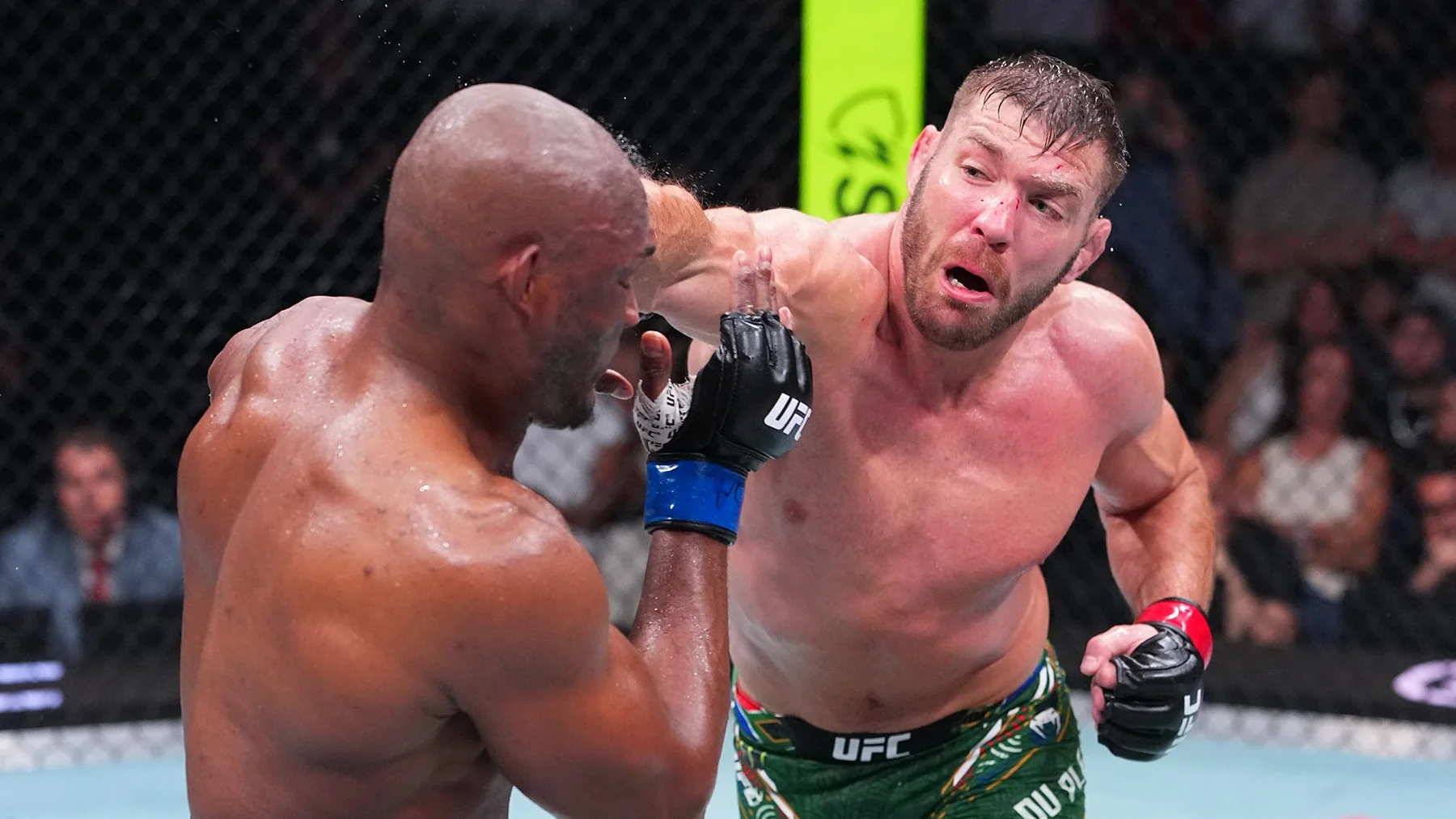
Dricus Du Plessis
Limit
185 pounds
Middleweight is strategically diverse. Pressure boxing, explosive chain wrestling, attritional clinch work and long-range counter striking appear near the same summit. Adjacent rank numbers therefore do not guarantee a predictable matchup. A fighter may be better positioned on the list yet face a harder technical problem from someone below.
The standard upper limit is 185 pounds; championship bouts require the championship limit, while non-title rules differ. See our UFC weight-class guide for the weigh-in detail. Scale status and medical clearance affect a title opportunity even if the published rank does not immediately change.
We treat official ranks, results and announced fights as facts. When discussing who should fight next or which style has an edge, we explicitly present an editorial assessment—not an unseen contract, injury claim or prediction disguised as news.
Complete Middleweight Top 15
This is the UFC media-panel middleweight table captured August 29, 2026. The “competitive read” is our scouting shorthand, while the positions are the dated UFC.com order.
| Rank | Fighter | Competitive read |
|---|---|---|
| Champion | Sean Strickland | Pressure-boxing champion |
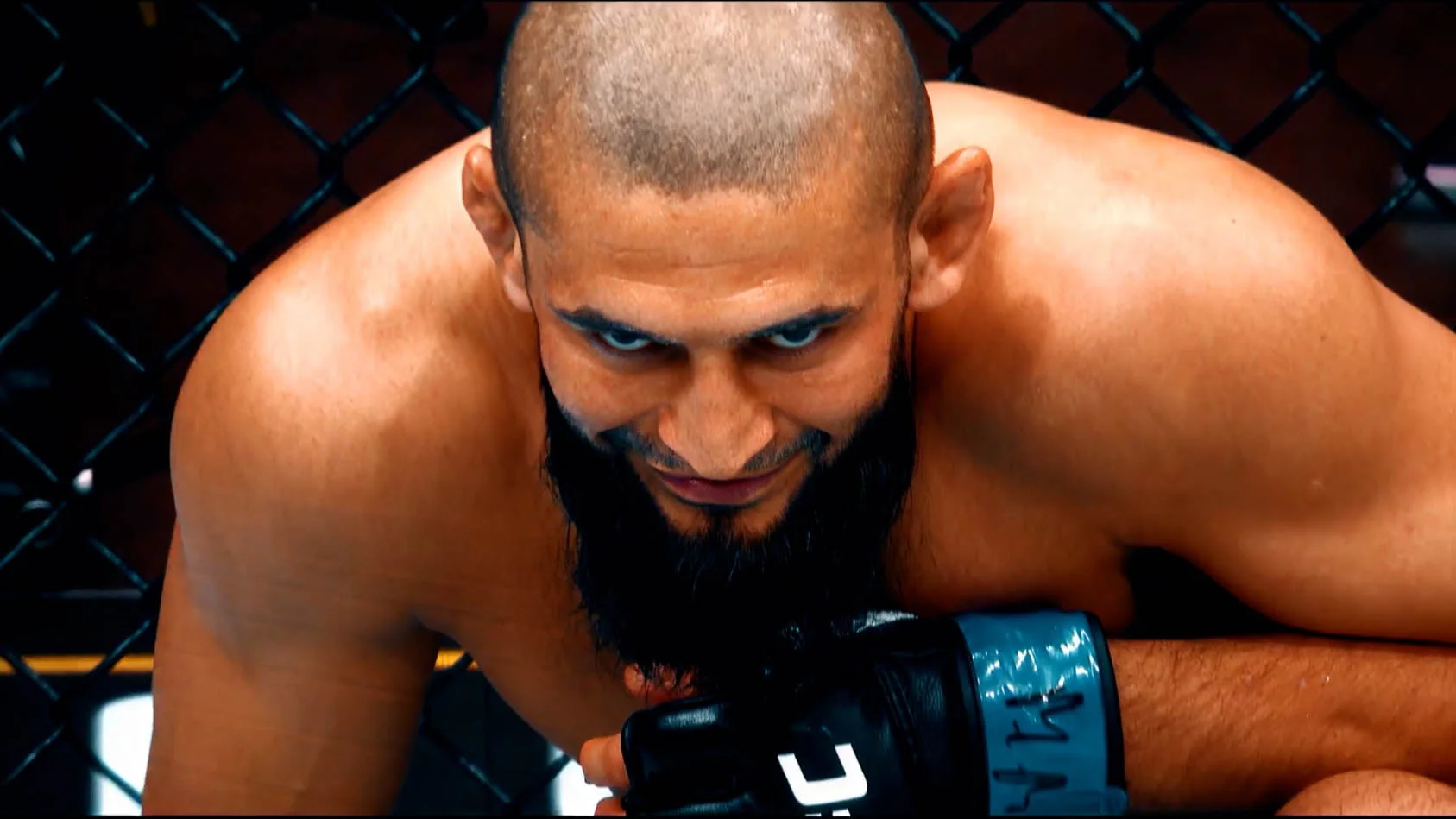
| 1 | Khamzat Chimaev | Explosive grappling pressure |
| 2 | Dricus Du Plessis | Physical all-phase transitions |
| 3 | Nassourdine Imavov | Measured range and counters |
| 4 | Brendan Allen | Submission-oriented control |
| 5 | Caio Borralho | Positionally disciplined threat |
| 6 | Joe Pyfer | Power with rising leverage |
| 7 | Gregory Rodrigues | Durable pressure and boxing danger |
| 8 | Anthony Hernandez | Relentless grappling pace |
| 9 | Israel Adesanya | Elite veteran striking read |
| 10 | Christian Leroy Duncan | Creative range offense |
| 11 | Jared Cannonier | Veteran power benchmark |
| 12 | Ikram Aliskerov | Ranked consolidation |
| 13 | Bo Nickal | Wrestling upside |
| 14 | Abus Magomedov | Top-15 foothold |
| 15 | Michael Venom Page | Unorthodox striking variable |
Nos. 1–5 have the clearest championship leverage. Nos. 6–10 can transform their position with a top-five win, while Nos. 11–15 must defend or strengthen their foothold. Those bands are editorial, not UFC policy. They help explain stakes without pretending matchmaking proceeds one rank at a time.
Movement markers deserve context too. A one-place rise can come from another fighter leaving the list, while a newcomer at No. 14 may have produced the more consequential performance. Always inspect the event result behind the arrow.
A lower-ranked specialist can be a harder opponent than a higher-ranked generalist, depending on stance, range and grappling transitions. Consult the fighter directory for individual histories, then evaluate the pairing rather than using the number as a prediction.
Sean Strickland and the Title Race
Sean Strickland reclaimed the middleweight title by split decision over Khamzat Chimaev at UFC 328 on May 9, 2026. The official scores were 48-47, 48-47 and 47-48. That confirmed result explains today’s unusual order: Strickland is champion, while the man he narrowly defeated remains the No. 1 contender.
A split decision supports a credible rematch argument because one judge saw Chimaev winning and the other two gave Strickland only a one-round margin. It does not make an immediate rematch mandatory. UFC matchmaking can consider timing, recovery and the progress of Nos. 2 and 3. Until a bout is posted on an official event page, all next-defense discussion remains analysis.
Three title-path cases
- Khamzat Chimaev: No. 1 rank, former champion and the closeness of the UFC 328 scorecards create the strongest rematch logic.
- Dricus Du Plessis: No. 2 position and established championship-level experience support a fresh or renewed elite matchup, depending on recent scheduling.
- Nassourdine Imavov: No. 3 rank provides a path if a top-level win and timing produce a cleaner fresh-contender case.
Tactically, Chimaev’s challenge is not merely completing one takedown. He must turn explosive entries into sustained, scoring offense without allowing Strickland to rebuild stance and pressure. Strickland’s challenge is to make every failed shot costly while avoiding the kind of overextension that lets Chimaev connect a second attempt. The split score suggests neither task was solved beyond dispute.
Du Plessis creates a different fight through physical transitions and willingness to operate in messy exchanges. Imavov prefers a more measured contest where range, feints and counters govern entries. A champion preparing for one would not receive a transferable copy of the plan for another. That is why contender quality cannot be inferred from one shared opponent or rank gap.
Our editorial preference is for the matchup that combines the strongest documented claim with a meaningful unresolved technical question. Today Chimaev owns the clearest paper case; the UFC 328 loss is also the central counterargument. New results can change that balance quickly.
Review the official UFC 328 event record and use the schedule to distinguish a confirmed defense from fan matchmaking.
Style Questions Across the Top Five
Every top-five middleweight changes the first question a champion must answer. Chimaev asks whether the champion can survive linked grappling pressure; Du Plessis asks whether structure holds during physical transitions; Imavov tests measured range; Allen threatens submissions; Borralho tests positional patience.
No. 1 Khamzat Chimaev: defend sequences, not shots
Chimaev’s most dangerous phases begin when an opponent treats the first defended takedown as the end of the exchange. He can reconnect at the fence, change direction and attack position. The answer requires underhooks, head position, safe separation and enough offensive threat to make future entries costly.
No. 2 Dricus Du Plessis: remain composed in broken rhythm
Du Plessis can make a bout feel structurally uncomfortable. Entries, clinches and striking exchanges do not always arrive at textbook intervals. An opponent who insists on perfect range may spend too long resetting; an opponent who embraces chaos without defense can lose the higher-value moments.
No. 3 Nassourdine Imavov: win the feint battle
Imavov’s measured approach rewards information. Feints draw reactions, straight attacks punish overreaching and patient movement can force a pressure fighter to reveal entries. Beating him requires responsible pressure that closes space without giving away predictable counters.
No. 4 Brendan Allen: treat every scramble as live
Allen’s submission threat means an opponent cannot celebrate a takedown defense while the back, neck or arm remains exposed. Safe posture and hand fighting matter through the entire transition. A positional error can outweigh several minutes of otherwise sound work.
No. 5 Caio Borralho: create offense without gifting position
Borralho’s disciplined phases can frustrate fighters who overextend to force action. The useful response is layered offense—feint, strike, exit or connect to grappling—rather than a single desperate entry that lets him establish control.
Statistical comparisons must preserve categories. Significant strikes are not total strikes; a takedown says nothing by itself about damage or duration; control does not automatically decide a round. Unified scoring first emphasizes effective striking and grappling, so film and round context remain necessary.
Our scouting conclusion is that Chimaev presents the most urgent first-round threat, while Du Plessis and Imavov challenge sustainability in different ways. Allen and Borralho can capitalize if a title-level fighter grows impatient. These are matchup reads, not guaranteed outcomes.
Use the fighter directory for histories and the results archive for confirmed methods before comparing performances.
Risers, Veterans and Ranking Traps
The middleweight riser to trust is the one who beats a prepared veteran outside his preferred script. Joe Pyfer, Gregory Rodrigues, Anthony Hernandez, Israel Adesanya and Christian Leroy Duncan occupy Nos. 6–10, a band where momentum, proven championship experience and stylistic danger overlap.
Pyfer and Rodrigues can turn pressure into leverage
Pyfer at No. 6 carries power that forces cautious entries. Rodrigues at No. 7 can make an exchange physically expensive even when an opponent begins well. Their next-level test is disciplined output: maintain defense after landing, choose when to extend combinations and keep a wrestling response available when an opponent refuses to trade.
Hernandez is a caution against recency without context
Hernandez’s grappling pace remains a serious divisional problem, yet Strickland’s official record shows a third-round stoppage win over him on February 21, 2026. That result matters because it reveals how a top-level opponent can survive pressure and create damaging responses. It should inform the evaluation without erasing every strength Hernandez showed before or after.
Adesanya is the veteran calibration point
At No. 9, Israel Adesanya’s rank is lower than his historical profile. For a rising contender, beating a famous name is not enough as a headline; the useful question is how. Did he close range safely, avoid predictable counters, maintain output and make sound choices over the scheduled distance? The performance determines what transfers to the current top five.
Bo Nickal at No. 13 supplies a different upside case. He stopped Kyle Daukaus at 4:34 of Round 1 at Freedom 250. The finish confirms a successful night; it does not alone answer how his wrestling and striking transitions hold up over three rounds against the top ten. A ranked step should test breadth, not only reinforce a known advantage.
The “ranking trap” is assuming a young fighter must rise or a veteran must decline. Development is not linear, and one matchup can flatter or conceal a weakness. Look for repeatable entries, defense after offense and decision-making under fatigue. Those traits survive changing opponents better than a highlight.
Verify Nickal’s result on the Freedom 250 page and use the fighter directory for complete context.
What the Next Update Could Change
The next middleweight update should be read as a sequence—booking, weigh-in, result, then published rank—not as a rumor-driven title announcement. The current title race includes a champion who won by split decision and a No. 1 contender who lost by one round on two scorecards. That closeness makes every interview and callout sound consequential, but only official records settle what has actually happened.
- Confirm the matchup. Both names should appear on an official event page or the UFC schedule. “Targeted,” “discussed” and a fighter’s requested date are not the same as booked.
- Check the scale and replacements. A miss, withdrawal or short-notice opponent changes title eligibility and the value of the matchup.
- Read the outcome by round. Record winner, method, round and time. For a decision, effective striking and grappling—not one cumulative total—drive scoring.
- Compare ranking views. Identify whether a new position comes from the media list or Meta list; never splice them into one table.
- Rebuild the contender cases. Ask who owns the best combination of rank, recent opponent quality, performance and availability.
Three results would have especially large consequences. A decisive Chimaev win would strengthen the direct rematch case after UFC 328. A top-level win by Du Plessis or Imavov could produce a fresher option. A No. 6–10 contender beating someone in the top five could create a new title eliminator even without immediately reaching No. 1. These are scenarios, not reported bookings.
Changes outside the cage matter differently. Inactivity or a division move can open a rank without proving the fighters below improved. A cancelled bout creates no competitive result. A weigh-in miss may alter championship stakes while the fight proceeds. Keep those facts distinct so the table remains an accurate record rather than a narrative shortcut.
The two-system era adds another interpretive task. A data model may respond to opponent strength, activity and performance differently from a panel, while a panel may incorporate context not visible in a single metric. A difference is a prompt to investigate inputs, not permission to quote whichever order supports a preferred matchup.
Update note: every rank here was checked August 29, 2026. UFC 328 facts come from the official event and scorecards. Tactical forecasts and contender recommendations are UFCSchedule.net editorial analysis.
After the next relevant card, begin with the verified UFC results, not reaction clips. Then ask what the performance proved against that opponent, and finally confirm whether the official order moved. That process keeps a fast-changing 185-pound picture honest, preserves the distinction between evidence and excitement, and gives fight fans a reliable reason for every revision.
Fight talk
Comments